

Reviewed by the Marketing Team Last updated
Pending blood-test results do not mean a Minnesota DWI investigation is over, and they do not pause an existing court date or license-review deadline. Track the criminal case, any driving-privilege notice, and the laboratory evidence separately. Whether you may drive depends on your current license status and restrictions, not simply whether you have received a laboratory report.
Minnesota calls the offense driving while impaired (DWI), also commonly called DUI. This guide focuses on what to do while blood results are pending. Our Minnesota DWI defense page explains how to seek help with the full case.
Why does a DWI blood test require a separate legal review?
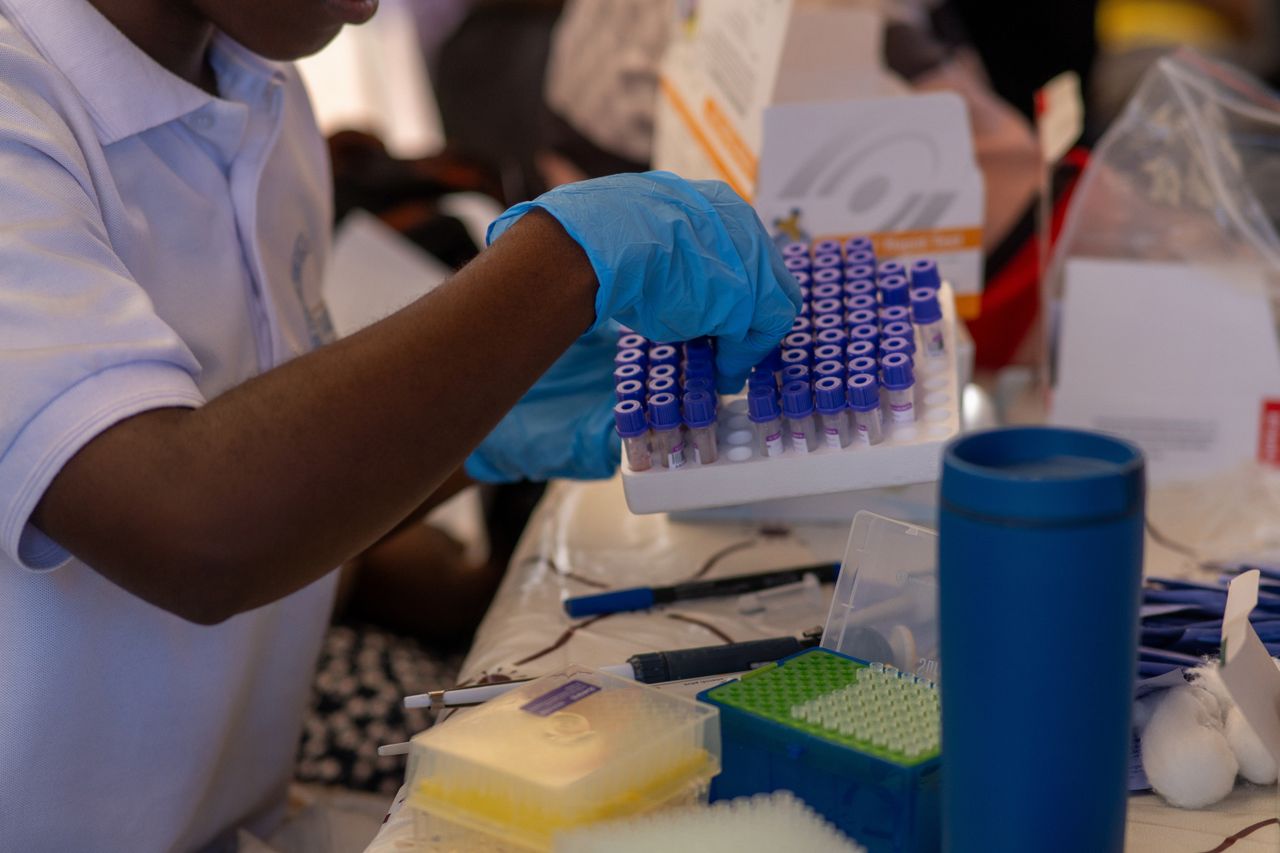
Blood collection, laboratory analysis, criminal charges, and license action are different steps. Under Minnesota Statutes section 169A.51, subdivision 3, blood and urine testing require a search warrant or a judicially recognized exception. A defense review should identify the legal basis for collecting the sample and obtain the warrant and supporting materials when applicable.
The review then turns to what was tested, how the sample was handled, and what the result can establish. A laboratory number should be evaluated with the collection time and the rest of the evidence. The fact that a sample was collected does not establish a conviction.
How long will Minnesota DWI blood-test results take?
There is no reliable case-specific estimate from the arrest date alone. Ask counsel to determine whether the sample was submitted, which laboratory has it, what analysis was requested, and whether a report is available. Avoid treating a generic online turnaround estimate as a deadline for your case.
Make a record of communications and preserve paperwork. A period without contact does not prove that the case was dismissed. If you receive a summons, complaint, release order, or license notice while waiting, address it according to its own terms.
Can you be charged before the blood results arrive?
A chemical-test result is not the only potential evidence in a DWI case. Section 169A.20 includes impairment offenses as well as specified alcohol-concentration and controlled-substance provisions. The prosecutor’s charging decision depends on the alleged offense and the available evidence.
For that reason, do not assume no report means no criminal case. Counsel should check the charging documents and court status. For the related alcohol issue, read whether Minnesota can charge DWI below .08.
When can a blood test affect your driver’s license?
Section 171.177 addresses license action associated with warrant-directed blood or urine testing. The statute identifies qualifying results and certification requirements. It also allows an authorized laboratory to certify results directly, with the officer separately certifying the required probable-cause and testing information.
A mailed notice may arrive after the stop. Keep envelopes as well as the notice. Section 171.177, subdivision 7, contains a rule deeming mailed notice received three days after mailing to the last known address. Have counsel evaluate the legally relevant receipt date rather than using only the day you opened the envelope.
Can you drive while the blood result is pending?
Only if your driving privileges and any applicable restrictions permit it. Check the actual license status, effective date of any action, and any temporary document. A pending test does not extend a temporary license. Likewise, possessing the plastic card does not establish a valid privilege to drive.
Temporary-license provisions have changed. For example, 2026 Minnesota Laws, chapter 97, article 2, section 5, amended section 171.177, subdivision 8, from seven to 14 days. Your lawyer should check the law applicable to your incident and the actual notice rather than relying on an older article’s blanket seven-day statement.
What is the deadline to challenge a warrant-related revocation?
Section 171.177, subdivision 11, provides 60 days after receipt of the notice and order to petition for judicial review. The petition must satisfy filing, service, and other statutory requirements. Asking for administrative review does not extend that deadline. Filing a petition does not automatically stay the revocation.
Keep the civil license deadline separate from criminal court appearances. Our implied-consent and license-appeal guide explains the two procedures.
What records should you preserve while waiting?
- The citation, complaint, court notices, and release conditions.
- All license notices, mailing envelopes, and temporary driving documents.
- Warrant and sample-collection paperwork you were given.
- A timeline of the stop and collection, and relevant medical or prescription records.
- Existing messages, receipts, or other records relevant to the incident, without alteration.
A lawyer can seek the appropriate police recordings, laboratory materials, and other discovery. Whether a problem with collection or testing supports a challenge depends on the evidence; a delay alone does not guarantee dismissal.
Request a free criminal-defense consultation with Martine Law. Minnesota criminal defense is provided by Martine Law PLLC. Phones and chat are answered 24/7, with AI covering when no staff is free.
General information prepared October 13, 2026. Individual advice requires review of your incident date, notices, and case records.
