


Reviewed by the Marketing Team Last updated
Yes. Minnesota assault can be charged without physical contact or injury. For assault based on fear, the issue is an act done with intent to cause fear of immediate bodily harm or death. An accusation that someone felt scared does not replace proof of the statutory elements.
Minnesota’s assault definition
Section 609.02, subdivision 10 covers an act intended to cause fear of immediate bodily harm or death, or intentionally inflicting or attempting to inflict bodily harm. Section 609.224 sets out fifth-degree assault. The specific charge and surrounding facts matter.
Physical injury is therefore not required for every assault theory. Equally, a loud voice or disagreement does not automatically establish assault. Counsel should examine what conduct is alleged and what evidence supports the required intent.
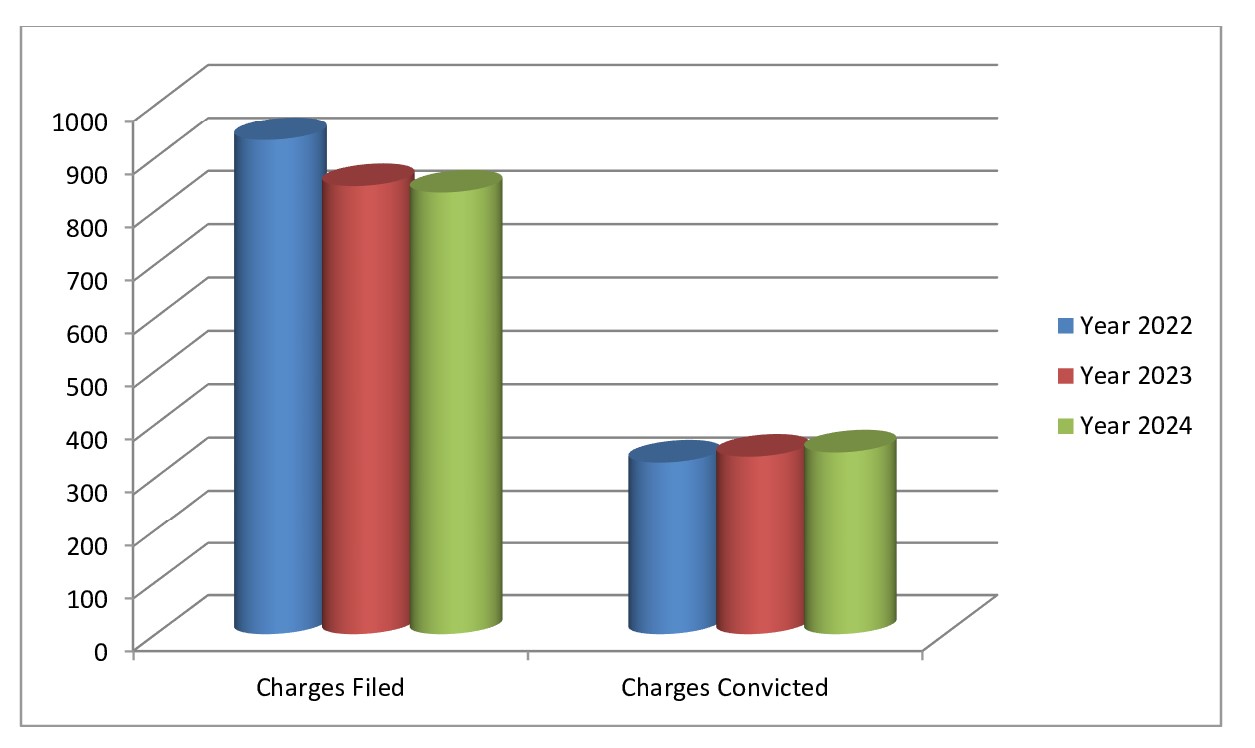
The historical graphic above is retained from the original article. Its counts have not been independently verified for this review and should not be used to estimate a person’s likelihood of being charged or convicted.
Review the full context
An argument, gesture or movement must be assessed in context. Do not assume either person’s account is complete. Preserve the original messages, recordings and witness information without editing or deleting them.
Practical steps after an accusation
- Review orders and dates. Follow release conditions and any no-contact order. Ask counsel about anything unclear before acting.
- Write a factual timeline. Note the words, actions, distances and people present while your memory is fresh.
- Preserve evidence. Save complete message threads and identify available recordings or witnesses.
- Avoid public discussion. Do not post accusations or attempt to resolve the matter through social media.
- Get advice before contacting the other person. Do not pressure anyone to change an account or withdraw a report.
- Have counsel review the charge. Bring the complaint, citation and any court orders to your consultation.
Questions for reviewing the evidence
The useful inquiry concerns the alleged act and intent, not simply whether somebody later described feeling afraid. Discuss these questions with your attorney:
- What exactly was said or done?
- What does the evidence show about the alleged intent?
- How does the allegation concern immediate harm?
- Are the accounts consistent with complete recordings or messages?
- What other evidence or possible defenses need investigation?
A lawyer can evaluate the evidence without promising dismissal. Lack of an injury alone does not resolve a fear-based allegation.
Frequently asked questions
Does no physical contact mean there was no assault?
No. The fear-based form of assault does not require physical contact. The allegation still needs to be evaluated against its legal elements.
Does a person’s statement that they were scared automatically prove guilt?
No. That statement is evidence to evaluate, not a substitute for proving the charged offense. The alleged conduct, context and intent matter.
Should I send a message explaining what happened?
Get advice first and obey any no-contact order. Preserve relevant communications rather than trying to persuade another person to change their account.
Discuss a Minnesota assault allegation
Our assault defense team can review statements, messages and available footage and discuss possible next steps. Contact Martine Law with your paperwork and upcoming dates. Phones and chat are answered 24/7, with AI covering when no staff is free; immediate attorney availability is not guaranteed.
