
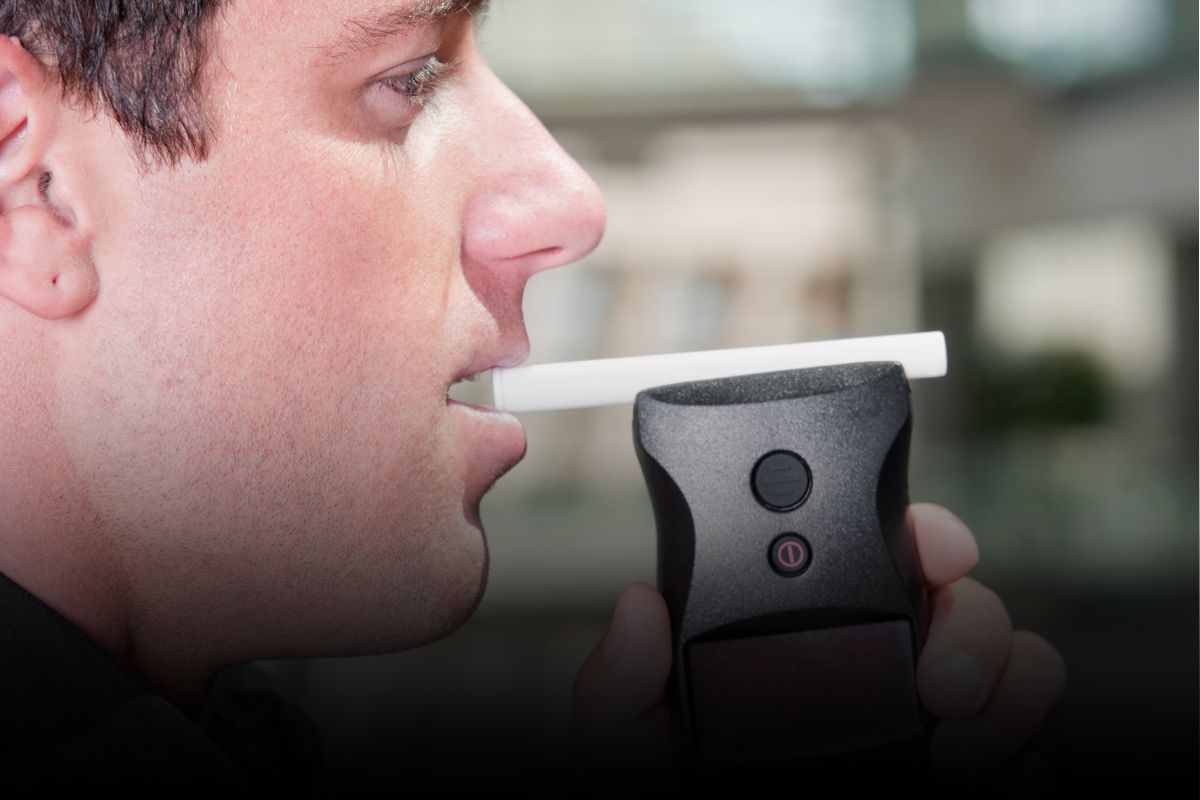
Getting stopped for a possible DWI can create a lot of uncertainty. You may not be sure what you are required to do, what your rights are, or how the choices you make in that moment may affect the rest of your case. One of the most common questions people have is whether refusing a breath test helps or hurts their situation.
In Minnesota, refusing a breath test is taken seriously. The law treats refusal as a separate offense, and it may lead to added penalties, longer license consequences, and challenges in defending the charge. Under Minn. Stat. §169A.20, refusing a chemical test after an arrest and after being read the proper advisories may result in a criminal refusal charge.
If you are still sorting through what this means or what steps to take next, speaking with a Minnesota DWI Defense lawyer may help you understand your options and protect your rights moving forward. Martine Law is here to offer guidance with clarity and respect.
Schedule a call today to know the impact of refusal in Minnesota.
What Breath Test Refusal Means in Minnesota
Refusing a breath test in Minnesota is not simply a decision to avoid evidence. The law considers refusal a separate crime. This usually falls under Minnesota’s implied consent rules, meaning that by driving on public roads, you agree to chemical testing if law enforcement has probable cause.
A refusal charge may be treated as a gross misdemeanor. The potential penalties might increase depending on prior incidents, aggravating factors, or whether a minor was in the vehicle.
A basic breakdown looks like this:
| Situation | Possible Classification |
| First-time refusal with no aggravating factors | Gross misdemeanor |
| Refusal with prior DWI convictions | Higher penalties possible |
| Refusal while having a revoked or canceled license | Additional legal consequences |
Some people believe refusing the test prevents prosecutors from building a case. In Minnesota, that is rarely the result because refusal carries its own consequences, and other evidence may still be admissible.
Roadside Testing and Official Testing: Why the Difference Matters
It is completely normal to feel unsure about the breath tests during a DWI stop. Minnesota uses two different types of breath tests, and each one has a different purpose and a different legal impact. Understanding the difference may help you know what the refusal charge applies to and what it does not.
The table below breaks it down clearly:
| Feature | Roadside Breath Test (PBT) | Official Evidentiary Breath Test (DataMaster/DMT) |
| When it happens | Before an arrest | After an arrest |
| Purpose | A quick screening tool to help the officer decide whether to arrest | Official chemical test used as evidence in court |
| Location | Roadside or at the scene | Police station or authorized testing facility |
| Can refusal lead to criminal charges? | Usually no | Yes, refusal may lead to a criminal refusal charge under Minnesota law |
| Impact on the investigation | Refusal may give the officer reason to continue the stop or request other testing | Refusal may increase penalties and affect your driver’s license |
| Used as evidence in court? | Limited use, primarily as part of the officer’s observations | Yes, used as primary evidence if completed |
The key takeaway is that the criminal refusal charge applies to the official breath test conducted after arrest, not to the roadside screening test. Many people conflate these, and that confusion can lead to decisions they did not fully understand in the moment.
What You Can Expect After Refusing a Breath Test
Refusing a breath test may result in immediate consequences. Here is what often happens:
- Your driver’s license may be revoked on the spot.
- You may receive a notice explaining the revocation period.
- You may have a limited window to challenge the license revocation.
- The officer may still obtain a warrant to draw blood or request a urine test.
A lot is happening in a short time. You do not need to try to process it alone. This is often the point where speaking with a DWI attorney in Minnesota becomes helpful.
Know your rights and risks in refusing a breath test in Minnesota under DWI.
How Refusal Can Affect Your DWI Case
Refusing the test may affect how your case proceeds. Here are areas where it may make a difference:
-
Penalties
Penalties may increase because refusal is treated as non-cooperation under Minnesota’s implied consent law.
-
Driver’s License Impact
Revocation periods may be more extended than if you had taken the test.
-
Evidence in the Case
Prosecutors may still move forward based on other evidence.
-
Limited License or Ignition Interlock
Your ability to drive again may be delayed or restricted.
A refusal may feel like the right choice in the moment, but in Minnesota, it usually makes the legal situation more complicated.
Understand how a refusal to test impacts your Minnesota DWI Case.
Common Misunderstandings About Refusing a Breath Test
A few assumptions tend to come up:
- “If I refuse, they cannot prove anything.”
Minnesota law allows prosecution even without a completed breath test.
- “Refusal avoids a DWI charge.”
In most cases, refusal creates its own charge and does not replace the original suspicion.
- “Field sobriety tests must be perfect.”
These tests are only one piece of the officer’s observations.
Understanding these points may help you make more informed decisions going forward.
When You May Want a Lawyer’s Support
If you refuse a breath test, you may be dealing with two parts of the process at the same time: a criminal case and a driver’s license action. Both may involve deadlines, court hearings, and legal steps.
Speaking with a Minnesota DWI Defense lawyer may help you understand where you stand and what options are available.
Martine Law works with people in situations like yours and focuses on clear communication, respect, and support.
Key Things to Remember
- Minnesota treats refusal as its own crime.
- Refusing the test often leads to longer license penalties.
- Roadside and formal breath tests are treated differently.
- A case can still move forward even without a completed test.
- Legal support may help you understand your options.
Understanding a refusal charge is not always simple, and the decisions you make now may shape what happens next in your case. You deserve a Minnesota DWI Defense lawyer who listens, explains the law in plain language, and stands with you every step of the way. Martine Law is here to protect your rights, help you understand your options, and guide you through the process with clarity and confidence.
To move forward with support you can trust, call at +1 (612)-979-1305 or contact Martine Law to schedule your consultation today.