
Reviewed by the Marketing Team Last updated
Refusing a legally required chemical test can create a separate Minnesota criminal charge and driver’s-license consequences. But the type of test, legal authority, advisory, and opportunity to comply matter. Roadside screening, evidentiary breath testing, and warrant-based blood or urine testing are different procedures.
Which refusals can be criminal?
Minnesota Statutes section 169A.20, subdivision 2 addresses refusal of qualifying breath tests and blood or urine tests required by a search warrant. Do not assume that every request for a sample is governed by the same rule, or that refusing prevents an impairment prosecution.
Does implied consent apply only after arrest?
No. Section 169A.51 requires probable cause and specified statutory conditions. Those include lawful arrest, certain collisions, refusal of preliminary screening, or a screening result of at least 0.08. Arrest is not the only listed condition.
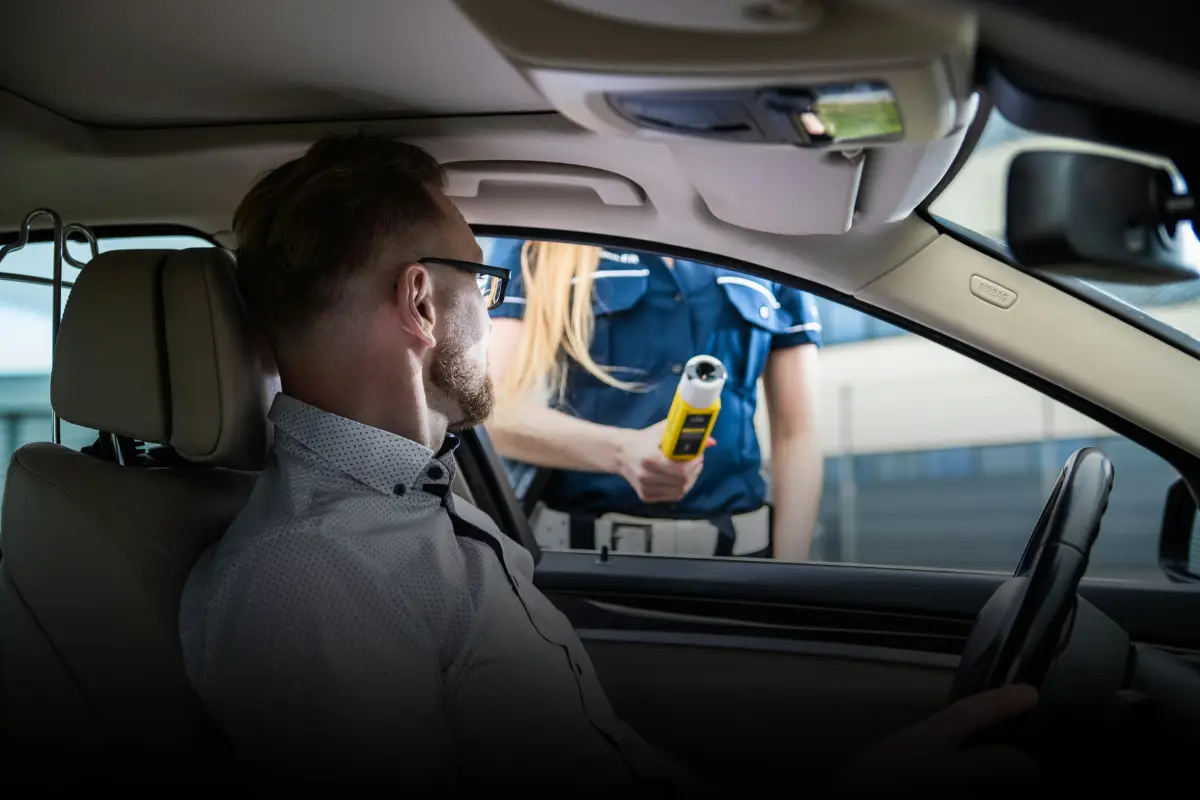
At a breath-test request, the advisory includes that refusal is a crime and that the person may consult an attorney, limited so consultation cannot unreasonably delay testing. Blood or urine testing requires a warrant or a judicially recognized exception; the warrant process should not be described as identical to the breath advisory.
Is a roadside screen the same as the later test?
No. Preliminary screening under section 169A.41 serves a different function from evidentiary testing. Refusal of screening can be relevant to requiring further testing when the statutory conditions are met. This distinction is not advice to refuse either procedure.
Does an incomplete sample always establish refusal?
No simple checklist resolves every case. Counsel should examine what was requested, instructions and warnings, the person’s words and conduct, testing attempts, equipment records, and any medical or physical difficulty. Preserve the actual timeline and explain difficulties accurately. Do not assume that silence, delay, confusion, or an insufficient sample automatically proves or defeats the allegation.
If an additional blood or urine test was requested, the authority for that request and any alternative-test requirements also need review. Do not assume that agreeing to one test gives an unrestricted right to reject all later testing.
What criminal penalties can apply?
The charge level and sentencing exposure depend on the applicable DWI degree provisions, prior qualified incidents, and other statutory facts. A generic table labeled first, second, third, or fourth offense can miss important distinctions. Ask counsel to identify the charged subdivision and explain maximum penalties separately from any applicable minimums and likely sentencing issues.
What happens to your driver’s license?
The criminal case and license action are separate. Section 169A.52 governs specified test-refusal and test-failure revocations; warrant-based blood or urine matters may involve different provisions. Prior history, the notice, and current law affect the analysis. See the Minnesota DPS impaired-driving information and obtain advice about your actual notice.
Under section 169A.53, judicial review of a notice issued under section 169A.52 generally requires a petition within 60 days after receipt. Administrative review does not replace that filing, and filing a petition does not itself stay the revocation. Have counsel confirm which review procedure and deadline apply to your notice.
Can a refusal allegation be challenged?
An attorney can assess the stop, detention, probable cause, testing authority, advisory, counsel opportunity, and evidence of refusal. An issue does not automatically mean dismissal or license restoration. Criminal and civil proceedings have different questions and standards; confusion or medical difficulty must be evaluated using the evidence and governing law.
What should you keep for counsel?
- Citations, release conditions, test paperwork, and every license or vehicle notice.
- A timeline of requests, warnings, testing attempts, and any request to consult an attorney.
- Relevant medical information and witness details, preserved lawfully.
- Court dates, dates notices were received, and any work-related driving requirements.
Do not alter evidence, miss court, or drive without valid authority. A pending challenge or interlock application does not itself establish permission to drive.
Discuss a Minnesota refusal case
Contact Martine Law to ask about intake, learn about our Minneapolis DWI representation, or speak with a criminal defense attorney. A Director of Client Engagement is a non-attorney who assists with intake and scheduling, not legal advice. Explore our Minnesota DWI defense overview.
This page provides general Minnesota legal information, not legal advice. No case or license outcome is guaranteed.