
Reviewed by the Marketing Team Last updated
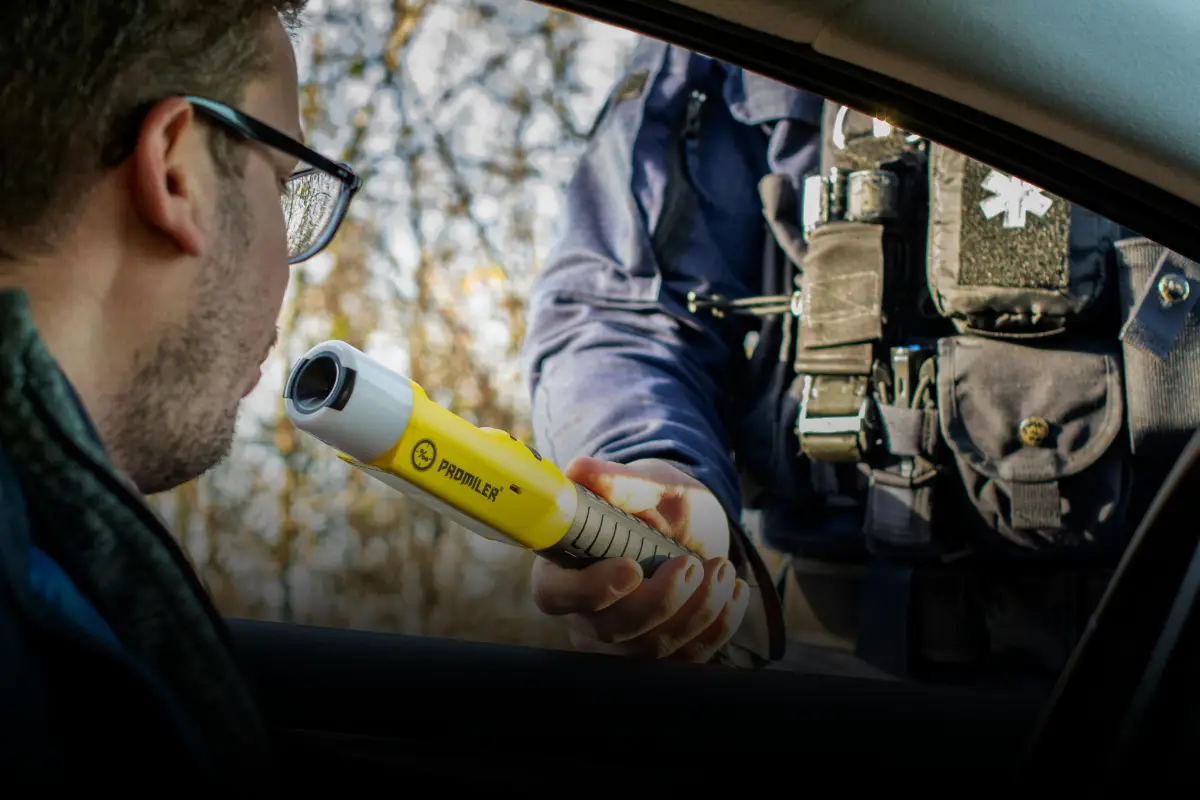
Refusing a Minnesota roadside breath screening test is different from refusing the official evidentiary breath test. A preliminary breath test, or PBT, helps an officer decide whether to arrest or require further testing. Refusing a properly required official breath test can be a separate crime and trigger a license revocation. Identify which test was requested before drawing conclusions about a refusal allegation.
Minnesota calls the offense driving while impaired (DWI), although people also search for DUI. This guide explains breath-test distinctions; our Minnesota DWI defense page explains representation in the broader case.
What is the difference between a roadside PBT and an official breath test?
A PBT is a screening tool; an evidentiary breath test is a separate chemical test used in the DWI process. Under Minnesota Statutes section 169A.41, an officer may require preliminary screening when the statutory grounds exist. Its results help determine whether arrest and additional testing are appropriate. Court use is limited, but the statute lists exceptions. Saying a PBT can never be used in court is inaccurate.
The official breath test is governed by section 169A.51. The officer needs probable cause and a statutory condition, such as a lawful DWI arrest, a qualifying collision, refusal of preliminary screening, or a PBT result of .08 or more. The legal distinction comes from the test and procedure, not simply where the device is located.
Is refusing the roadside breath test a separate DWI refusal crime?
A PBT refusal is not the same refusal offense as refusing the official breath test under section 169A.20, subdivision 2. However, declining screening does not require the officer to let you leave. With probable cause, a PBT refusal is one statutory condition supporting an official test request. Officers may also rely on other evidence when deciding whether to arrest.
Do not treat an online explanation as a universal instruction to refuse testing. The test requested, grounds for the stop, officer’s instructions, and surrounding evidence matter.
Can you speak with a lawyer before the official breath test?
The breath-test advisory must explain the limited right to consult an attorney. Section 169A.51, subdivision 2, also requires notice that Minnesota law requires the test and that refusal is a crime. Consultation cannot unreasonably delay testing. The official breath-test advisory should not be confused with the different procedure for blood or urine testing.
For a later review, write down whether you requested counsel, what opportunity you received to make calls, the timing, and what the officer said. Preserve your recollection without changing messages or other records.
What happens if you refuse the official breath test?
A qualifying refusal may lead to both a criminal prosecution and a separate civil license action. Section 169A.26 classifies third-degree DWI refusal as a gross misdemeanor. Higher-degree provisions can apply; a refusal is not always limited to that classification. A charge is an allegation, not a conviction.
The length and conditions of a license action depend on the applicable law and driving history. Review the actual notice rather than assuming every refusal produces the same suspension, interlock requirement, or plate consequence.
How long do you have to challenge the license revocation?
For a notice issued under section 169A.52, section 169A.53 allows a judicial-review petition within 60 days after receipt. Filing and service requirements apply. An administrative-review request does not extend that court deadline, and filing the petition does not automatically restore driving privileges. See section 169A.53 and our Minnesota implied-consent guide. Have counsel check the notice and service date promptly.
What if a medical problem prevented a breath sample?
Inability and intentional refusal are different factual questions. Preserve relevant medical records, the test record, and the timeline. A lawyer can compare them with recordings and the officer’s report. A claimed medical problem does not automatically defeat a refusal allegation; its effect depends on the evidence and governing law.
What should you bring to a DWI consultation?
- The citation or complaint and every license notice, including envelopes.
- Your test paperwork and any temporary driving document.
- A timeline of the stop, test requests, attorney calls, and medical concerns.
- Upcoming court dates and any release conditions.
Request a free criminal-defense consultation with Martine Law. Minnesota criminal defense is provided by Martine Law PLLC. Phones and chat are answered 24/7, with AI covering when no staff is free.
Updated October 13, 2026. General information about Minnesota law; legal advice requires review of your individual case.