
Reviewed by the Marketing Team Last updated
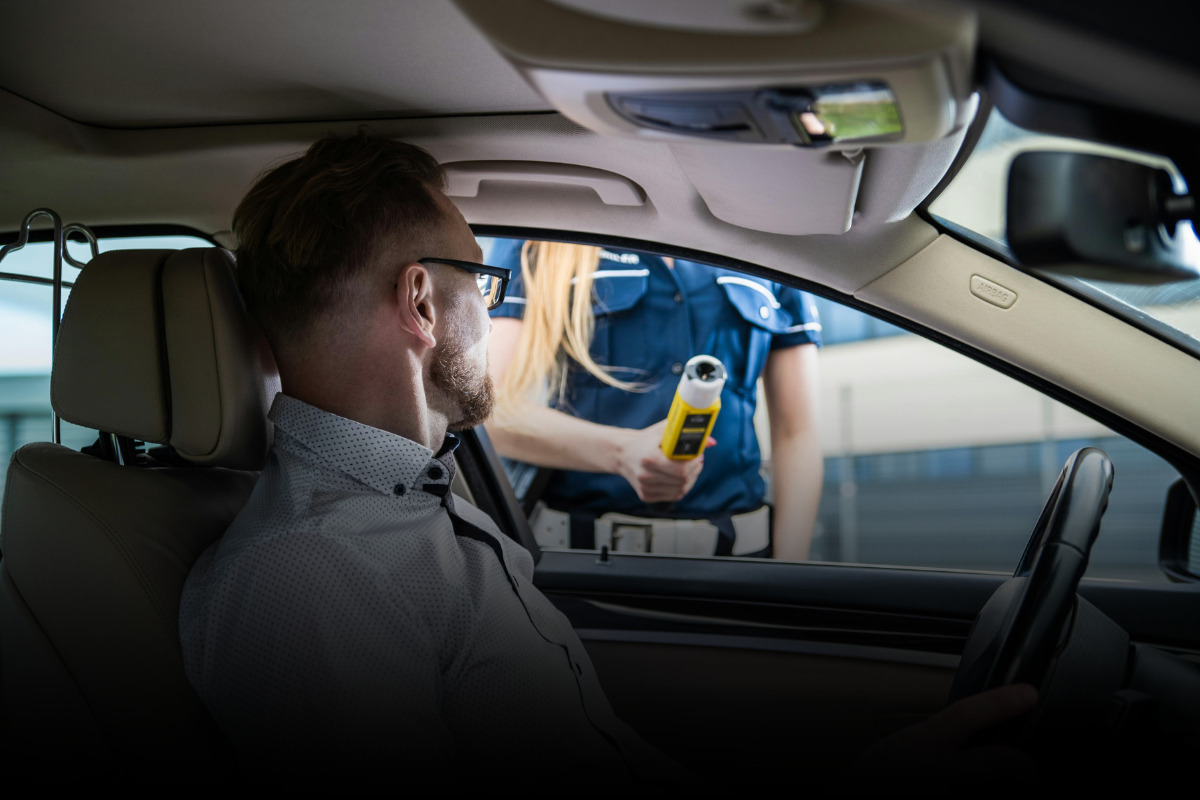
When you’re pulled over for suspicion of DWI (Driving While Impaired) in Minnesota, the officer may ask you to take a breath test to measure your blood alcohol concentration (BAC). It’s a tense moment, especially if you’ve had something to drink. You might wonder: Can I refuse the test and avoid getting charged?
In Minnesota, refusing a chemical breath test has serious consequences, often just as severe, or even more so, than failing one. While you do have rights, refusing a test can lead to criminal penalties, license revocation, and mandatory ignition interlock requirements.
Here’s what you need to know about Minnesota’s implied consent law, what happens when you refuse, and whether refusal ever makes sense in a DWI case.
Contact a DWI lawyer today and protect your rights.
Minnesota’s implied consent law
Under Minnesota Statutes § 169A.51, every driver on Minnesota roads gives “implied consent” to chemical testing (breath, blood, or urine) if lawfully arrested for DWI.
That means:
- When you drive in Minnesota, you automatically agree to submit to chemical testing if an officer has probable cause to believe you’re impaired.
- Refusing a lawful request for testing triggers its own criminal charge and administrative penalties, even if you weren’t over the legal limit.
In short, refusal is not the same as exercising a right to remain silent: it’s a separate offense.
Preliminary vs. official breath tests
It’s important to understand that not all breath tests are the same in Minnesota DWI stops.
1. Preliminary Breath Test (PBT)
- Given at the roadside before an arrest.
- Used only to establish probable cause, not as courtroom evidence.
- You can refuse the PBT without being criminally charged for refusal (though the officer may still arrest you based on other signs of impairment).
2. Official Chemical Test
- Conducted after arrest, usually at a police station.
- Administered on a certified breath-testing machine (DataMaster DMT).
- Refusing this test is a crime under Minnesota’s implied consent law.
What happens if you refuse the official breath test
If you refuse the post-arrest breath test, several serious things happen immediately:
1. You’ll be charged with “test refusal”, a crime
Refusal to submit to chemical testing is itself a gross misdemeanor under Minn. Stat. § 169A.20, subd. 2.
- First offense: Up to 364 days in jail and a $3,000 fine.
- Subsequent offenses: Can lead to felony DWI charges if you have prior convictions.
2. Your driver’s license will be revoked immediately
The Minnesota Department of Public Safety (DPS) automatically revokes your license:
- First-time refusal: 1-year revocation (even if your BAC would have been under 0.08).
- If prior DWI conviction: 2-year or longer revocation.
In many cases, the revocation begins on the spot, and officers will issue a temporary 7-day driving permit.
3. Vehicle impoundment or plate impoundment
If you have prior DWIs or a high BAC, police may seize your license plates or impound your vehicle pending the case outcome.
4. Ignition interlock program requirements
To regain driving privileges, you may have to enroll in Minnesota’s ignition interlock program, which requires blowing into a breath-testing device before your car starts.
How refusal compares to taking the test
| Action | Possible Consequences |
| Take the test and fail (BAC ≥ 0.08) | License revoked for 90 days (first offense), possible misdemeanor DWI charge |
| Refuse the test | License revoked for 1 year, gross misdemeanor criminal charge, longer ignition interlock requirements |
In most cases, refusing the test results in harsher penalties than taking and failing it, especially for first-time offenders.
Is refusing ever a good idea?
While refusal may seem tempting, it rarely helps your case. Prosecutors can still charge you with DWI based on:
- Officer observations (odor of alcohol, slurred speech, unsteady balance),
- Field sobriety test performance, and
- Dashboard or body camera footage.
Refusal simply adds an additional criminal charge on top of the DWI.
However, there are rare exceptions where refusal might be strategic, such as when your BAC would be extremely high or you have multiple prior DWIs. Even then, the decision should be made only with the advice of an attorney.
Your rights during a DWI stop
Even though Minnesota’s implied consent law is strict, you still have rights:
- You may speak with an attorney before deciding whether to take the official test (usually by phone).
- Police must read the Implied Consent Advisory, explaining the consequences of refusal.
- You may ask for clarification about which test is being offered (roadside vs. official).
- You may challenge the legality of the stop, arrest, or testing request in court.
If police failed to follow these procedures, your attorney can seek to suppress evidence or dismiss the refusal charge entirely.
For more details on protecting your rights, visit Martine Law’s Minnesota DWI defense page.
How an attorney can help after a test refusal
If you refused a breath test and are now facing charges, acting quickly is critical. A Minnesota DWI defense lawyer can:
- Challenge whether the officer had probable cause to request testing.
- Review whether the Implied Consent Advisory was read correctly.
- File a petition for judicial review of your license revocation (you have 60 days to file).
- Seek reinstatement or ignition interlock eligibility to restore limited driving privileges.
- Negotiate for charge reductions or stays of adjudication to avoid a permanent criminal record.
Key takeaways
- Minnesota’s implied consent law makes it a crime to refuse a lawful post-arrest breath test.
- Refusal often results in harsher penalties than failing the test, including a 1-year license revocation and gross misdemeanor charges.
- You may consult an attorney before deciding whether to submit to testing.
- An experienced DWI lawyer can challenge the stop, arrest, and procedures used during testing or refusal.
- Acting quickly is essential: you have only 60 days to fight your license revocation.
If you refused a breath test or were arrested for DWI in Minnesota, don’t wait. Martine Law can help you understand your rights, challenge your license revocation, and fight the criminal charges. Our attorneys know how to navigate the complexities of Minnesota’s implied consent law and protect your driving privileges.
Contact Martine Law today for a confidential consultation about your case.
For an overview of the law and how we help, see our Minnesota DWI defense page.