
Reviewed by the Marketing Team Last updated
Yes. Minnesota can charge DWI based on physical control of a vehicle even when no one sees it moving. Being near a car is not automatically enough, and a plan to sleep instead of drive is not automatically a defense.
What does Minnesota law prohibit?
Minnesota Statutes section 169A.20 prohibits driving, operating, or being in physical control under specified impairment or alcohol-concentration conditions. The prosecution must prove the elements of the particular charge beyond a reasonable doubt; it does not always need to prove actual driving.
What does physical control mean in a parked car?
The overall circumstances matter. Courts consider where the person and keys were, proximity to the controls, ownership, passenger status, and whether the vehicle could become operable. Mere presence is insufficient. In State v. Fleck (2010), the Minnesota Supreme Court upheld a conviction involving an intoxicated person asleep behind the wheel with keys in the console. The court explained that intent to operate is not an element.
Does sleeping in the car prevent a DWI?
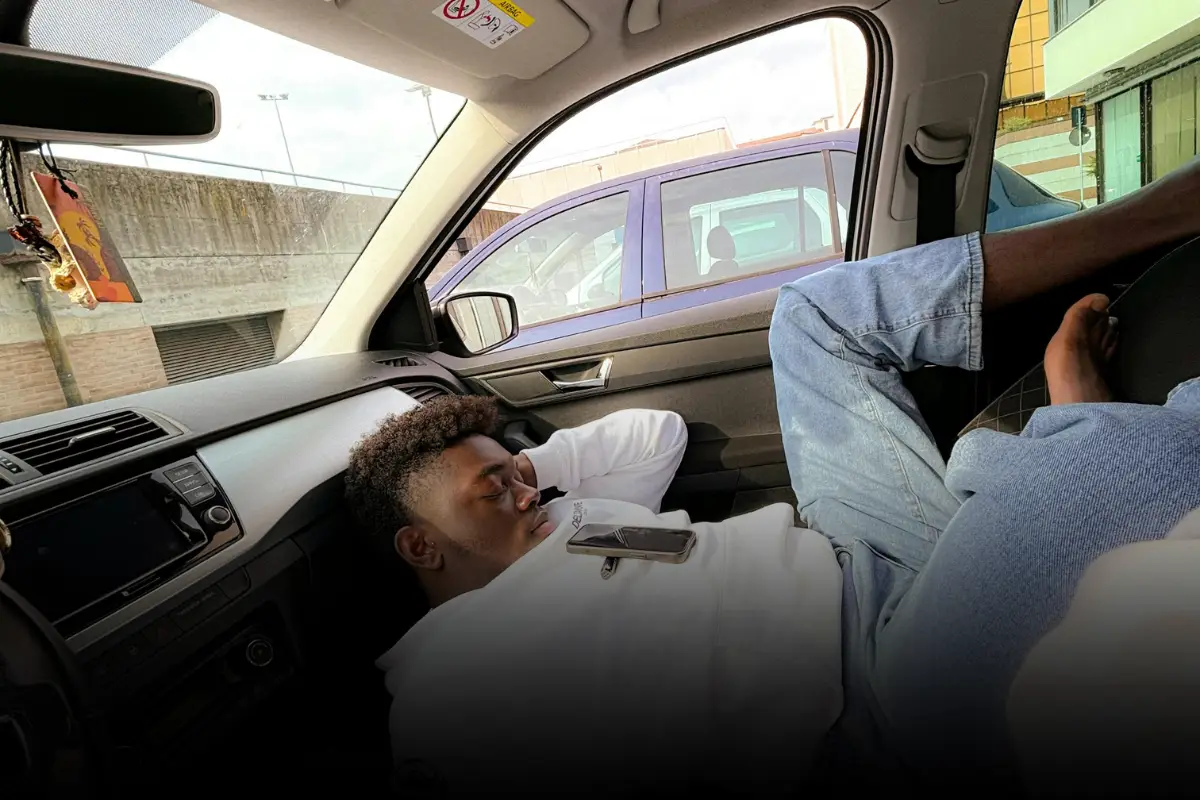
No. Sleeping, turning off the engine, or putting the keys somewhere other than the ignition does not by itself resolve physical control. A disabled vehicle also does not automatically defeat the charge. A passenger who has actually relinquished control to a designated driver presents a different situation. These are fact-specific questions, not a checklist that guarantees immunity.
Can police approach a legally parked car?
An approach and a detention are different events. An officer may approach and speak with an occupant without necessarily making a seizure. Whether police then detained someone, and whether the detention and arrest were justified, require separate review. Legal parking alone does not make the encounter unlawful. State v. Hunter (2014) discusses the distinction and reasonable suspicion for an investigatory seizure.
What evidence should an attorney review?
- Your location, the keys or key fob, and the vehicle’s condition.
- Who drove before the encounter and whether a designated driver had control.
- Body-camera footage, dispatch records, witness accounts, and parking-lot video.
- The timing and grounds for detention and arrest.
- The charged impairment or concentration theory, test records, and any applicable testing or search issues.
Preserve messages arranging a ride, receipts, photographs, and witness contact details. Give your attorney an accurate timeline. Do not alter evidence or invent an explanation.
Is a parked-car DWI automatically a felony?
No. Physical-control cases use the DWI grading rules; the fact that the car was parked does not itself set the offense level. A third incident is not automatically a felony. Section 169A.24 includes a new violation within ten years of the first of three or more qualified prior impaired-driving incidents, a previous felony DWI conviction, and certain qualifying prior felony vehicular convictions. Other grading and sentencing provisions can also matter. Have the exact charge, prior incidents, and license notices reviewed rather than relying on an offense-count chart.
What should you do after an arrest?
Keep the citation, release conditions, test paperwork, and license notices together. Request legal advice promptly about the criminal case and any separate license process. A review may identify issues to contest, but no dismissal or reduced sentence is guaranteed.
Related video: what happens after a DWI arrest
The video discusses consequences across different states. In Minnesota, license review is a civil proceeding, not a finding of criminal guilt. Section 169A.53 provides a separate process for challenging a revocation. Vehicle forfeiture has its own requirements and protections under section 169A.63; an arrest does not automatically mean permanent loss of a vehicle. The video does not determine physical control or the outcome of your case. Have each notice and deadline reviewed separately.
Talk with Martine Law about a Minnesota DWI
A Director of Client Engagement (non-attorney) may handle your first conversation, help with intake and scheduling, and collect hearing or notice dates. This person does not provide legal advice. An attorney can evaluate the evidence and available legal options.
Contact Martine Law for a confidential consultation or call now. You can also call us today to arrange the next step.
This is general Minnesota legal information, not advice for a specific case.
For an overview of the law and how we help, see our Minnesota DWI defense page.