

Getting caught up in a drug investigation can be nerve-racking — especially if the police have seized your property or taken drugs as evidence but haven’t charged you yet. Weeks or even months may go by with no updates, leaving you wondering: Can they still charge me? How long can they hold onto the evidence?
The short answer is: it depends. Minnesota law gives prosecutors time to test, review, and decide whether to file charges, but the exact timeline varies depending on the type of drug, amount seized, and case complexity.
Here’s what you need to know about how long the police can hold drug evidence before charging you. Contact an experience lawyer today.
How criminal charges work after a drug seizure
When police seize drugs or paraphernalia, the case doesn’t automatically move to court. Instead, it goes through several steps:
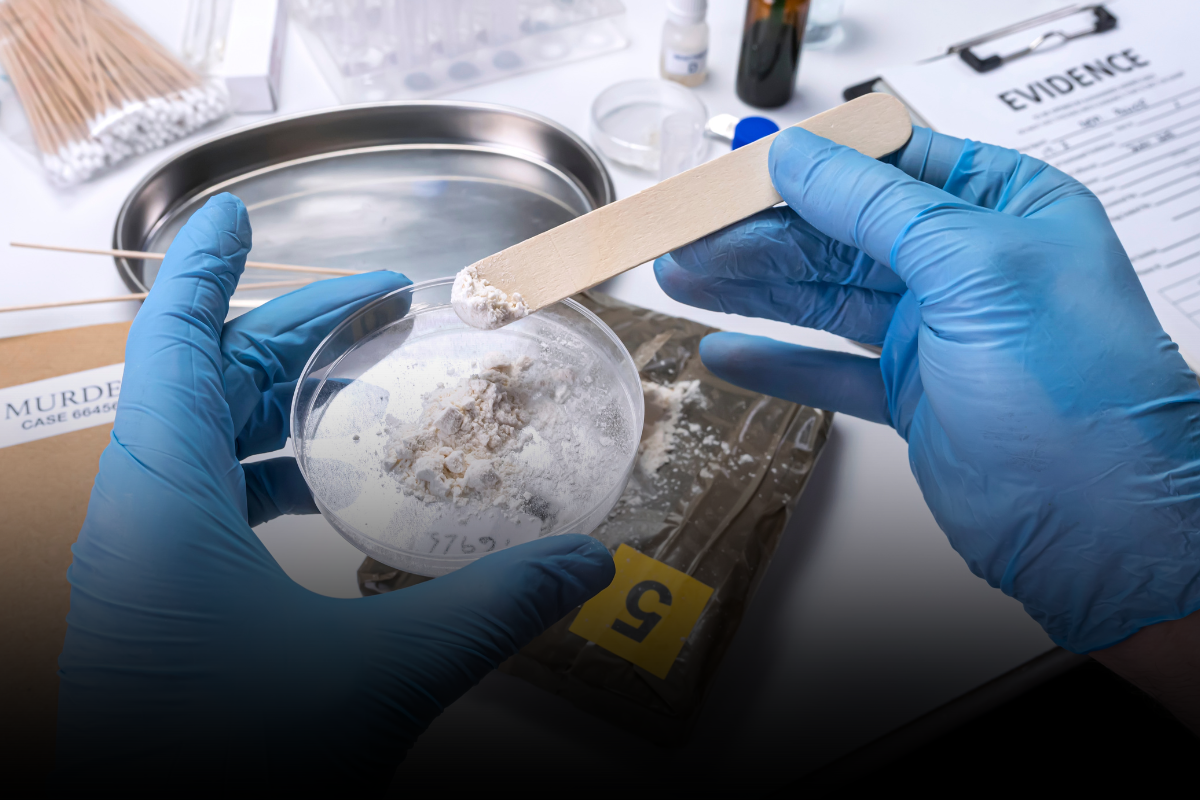
- Evidence processing: Law enforcement sends suspected drugs to a crime lab for chemical testing.
- Report preparation: Officers write reports and submit the evidence to prosecutors.
- Prosecutor review: A county attorney reviews the reports, lab results, and prior criminal history before deciding whether to file charges.
Until that process is complete, there may be no formal charges — but that doesn’t mean your case is over.
Learn more about Minnesota drug cases on Martine Law’s Minnesota drug charge defense page.
There’s no set time limit for police to hold evidence — but there is a time limit for charges
Minnesota law doesn’t specify an exact time for how long police can physically hold seized evidence. However, there are limits on how long prosecutors have to file criminal charges — known as the statute of limitations.
Minnesota’s general time limits for drug charges:
- Felony drug charges: Must be filed within three years of the offense (Minn. Stat. § 628.26).
- Gross misdemeanors and misdemeanors: Must be filed within three years for most drug crimes, though minor possession cases are sometimes charged sooner.
As long as prosecutors file the case within that time, the charges are valid — even if the evidence was seized months or years ago.
Why drug charges often take time
There are a few reasons why police might hold onto evidence and delay filing charges:
1. Lab testing delays
Minnesota’s Bureau of Criminal Apprehension (BCA) crime lab often handles thousands of drug samples. Testing backlogs can take weeks or months, especially for fentanyl or synthetic drugs that require advanced analysis.
2. Ongoing investigation
If officers suspect you’re part of a larger distribution network, they may hold the evidence while investigating other suspects, gathering witness statements, or obtaining search warrants.
3. Prosecutor review
Even after lab results come back, prosecutors take time to assess:
- The amount and type of drug.
- Whether there’s enough evidence to prove possession or intent to sell.
- Whether searches or seizures were lawful.
If evidence or police procedure looks weak, they may hesitate to file until they can strengthen the case.
What happens to the evidence while you wait
After seizure, the drugs or related items (money, paraphernalia, scales, etc.) are:
- Logged into the law enforcement evidence system.
- Stored securely, often in a controlled-access evidence room.
- Sent to a crime lab for testing and classification.
You won’t get those items back unless the case is dropped or you win in court — and even then, controlled substances themselves are typically destroyed.
If police took cash, phones, or vehicles, those may be subject to civil forfeiture under Minnesota law, meaning the government can attempt to keep them permanently if they claim the property was linked to drug activity.
For details on this process, see Martine Law’s guide to Minnesota forfeiture laws.
Can police keep your property if you’re never charged?
If no charges are filed, you can request that your property be returned. However, this can be tricky — especially if the items are considered potential evidence in an open investigation.
You (or your attorney) can:
- Contact the law enforcement agency’s property division to ask if the case is still active.
- File a motion for the return of property in the county where the seizure occurred (Minn. R. Crim. P. 11.04).
- Demand proof that your property is still needed for a pending case.
If prosecutors fail to charge you within the statute of limitations, they lose the right to pursue the case — but until then, they may keep evidence legally.
What to do while waiting for charges
Even if you haven’t been charged yet, you should take the situation seriously. Here’s what you can do:
1. Consult a defense attorney immediately
A lawyer can monitor the case, contact prosecutors, and possibly intervene before charges are filed — sometimes preventing them altogether.
2. Avoid speaking with police
Anything you say can be used later. Politely decline to answer questions until you’ve spoken with an attorney.
3. Track your property
If police took your money, car, or phone, your lawyer can help request documentation or file for its return.
4. Stay within the law
Don’t risk new offenses while an investigation is pending — prosecutors can use additional arrests to strengthen their case.
5. Watch for mailed summons
Minnesota prosecutors can file charges and issue a summons by mail without arresting you. If you move, update your address to avoid missing court notices.
What if the statute of limitations runs out?
If the time limit expires and no charges are filed, the state loses its authority to prosecute. At that point, your attorney can file to have:
- The case formally closed, and
- Any non-contraband property returned.
However, if you leave the state or fail to cooperate with court orders, the clock may pause (tolling period) — extending the statute of limitations.
Key takeaways
- Minnesota police can hold drug evidence for months or even years as long as prosecutors file charges within the 3-year statute of limitations.
- Delays are often caused by lab testing, investigations, or prosecutor review.
- Evidence stays in secure storage until charges are filed, dropped, or dismissed.
- You can request your property back if no charges are filed, but it may require court action.
- The best move is to consult an experienced defense attorney early, even before formal charges are filed.
If police have seized drugs or property from you in Minnesota and you haven’t been charged yet, it’s important to understand your rights before it’s too late. Martine Law can help you monitor the case, challenge illegal searches, and push prosecutors for answers.
Contact Martine Law today for a confidential consultation with a Minnesota drug defense attorney.
Primary Keyword: how long can police hold drug evidence Minnesota
Meta Title: How Long Can Police Hold Drug Evidence in Minnesota Before Charges?
Meta Description: Learn how long Minnesota police can hold drug evidence before filing charges, what delays mean, and how a defense attorney can protect your rights.