


Facing a Criminal Sexual Conduct (CSC) charge in Minnesota is one of the most serious situations anyone can experience. Not only because of the prison time and lifelong stigma, but because this conviction often brings another lasting consequence: mandatory sex offender registration.
Under Minnesota Statutes §243.166, individuals convicted of certain sex-related crimes must register as predatory offenders. This requirement impacts nearly every aspect of life, from where you can live and work to how you interact in your community. Understanding these laws is critical to protecting your rights and future.
At Martine Law, we help people facing CSC charges understand their options and fight for fair treatment. Whether you’re under investigation or have already been convicted, our defense team can help you navigate this complex process with compassion and expertise.
What Is Criminal Sexual Conduct in Minnesota?
Minnesota divides sexual assault and abuse offenses into five degrees of Criminal Sexual Conduct (CSC), ranging from first-degree (the most severe) to fifth-degree (the least severe).
Each degree has unique elements based on factors like:
- The age of the victim
- The presence or threat of force
- The relationship between the victim and the accused
- The use of coercion, weapons, or incapacitation
You can review the statutory definitions in Minn. Stat. §§ 609.342–609.3451.
Convictions under these statutes often trigger automatic sex offender registration.
Who Has to Register as a Sex Offender in Minnesota?
Registration is required for anyone convicted, adjudicated, or released from confinement for offenses including:
- Criminal Sexual Conduct (1st through 5th degree)
- Possession or distribution of child pornography
- Kidnapping (if the victim is a minor)
- False imprisonment of a minor
- Soliciting a minor to engage in sexual conduct
Registration may also be required for attempted versions of these crimes, depending on the circumstances.
If you are unsure whether your conviction requires registration, you can confirm by reviewing Minnesota’s Predatory Offender Registration law through the Minnesota Revisor of Statutes or consulting with a defense lawyer.
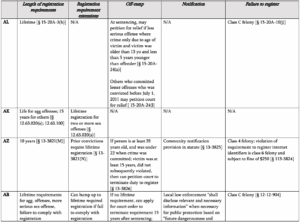
How Long Does Sex Offender Registration Last?
The length of time a person must remain on the registry depends on the conviction:
- 10 years — For most qualifying offenses.
- Lifetime registration — Required for repeat offenders, certain aggravated sexual assault cases, or when the offender is committed as a “sexually dangerous person.”
The 10-year period typically starts after release from prison or probation, not from the date of conviction. Any violation of registration requirements can restart the clock or even lead to new criminal charges.
 See more
What Does Registration Involve?
Sex offender registration in Minnesota is more than just a one-time form. It involves strict reporting obligations:
- Initial registration: Must occur within 24 hours of release or relocation.
- Updates: Required when changing address, employment, school enrollment, or vehicles.
- Annual verification: The Bureau of Criminal Apprehension (BCA) sends verification forms each year that must be signed and returned.
Failure to comply with these requirements is a felony offense under Minnesota law.
What Happens If You Fail to Register?
Failing to register or update information as required can result in:
- Felony charges, punishable by up to five years in prison
- Extended registration periods (the 10-year clock restarts)
- Revocation of probation or supervised release
Even a minor reporting mistake, like forgetting to update an address or vehicle, can lead to prosecution.
If you’re accused of violating registration requirements, contact a Minneapolis criminal defense attorney immediately to avoid additional penalties.
Can You Ever Be Removed from the Registry?
Some individuals may qualify for early termination of registration after 10 years if:
- They have completed all supervised release or probation terms
- They have not been charged with or convicted of any new offenses
- They file a motion requesting removal from the registry
However, lifetime registrants generally cannot be removed unless their underlying conviction is overturned or expunged (and Martine Law does not handle expungement cases).
Because the process is complex and highly technical, working with an experienced defense lawyer is essential.
How a Minnesota Sex Crimes Defense Lawyer Can Help
If you are charged with Criminal Sexual Conduct or already facing registration requirements, you still have legal options. A defense lawyer can:
- Review whether your offense truly qualifies for registration
- Challenge the evidence or procedural errors in your conviction
- Represent you in hearings about registration violations or removal
- Help you understand and comply with the reporting requirements
At Martine Law, we know how damaging these cases can be to your life and reputation. We work to protect your rights, defend your future, and ensure you are treated fairly under Minnesota law.
Take the Next Step
If you’ve been convicted of a Criminal Sexual Conduct offense in Minnesota or are under investigation, do not navigate this alone. The consequences of registration are severe and long-lasting, but you have options.
Contact Martine Law today for a confidential consultation with a defense attorney who understands Minnesota’s complex sex offender laws.