


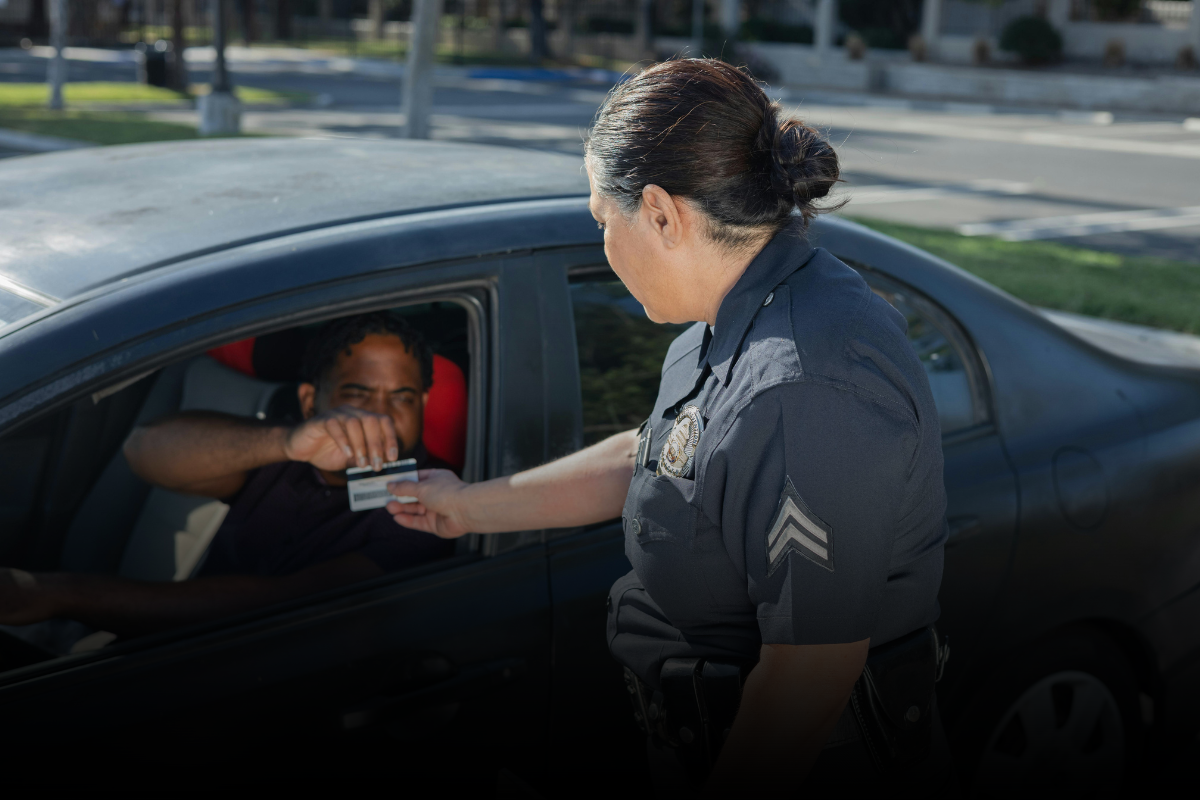
Being arrested for a first-time DWI in Minnesota can be overwhelming — especially when officers take your driver’s license on the spot. Many people think their license is gone immediately, but that’s not exactly true. While your driving privileges are restricted almost right away, you do have options to stay on the road and challenge the suspension.
Here’s what really happens after a first DWI arrest in Minnesota, how the license revocation process works, and what you can do to protect your right to drive.
You don’t lose your license immediately — but you lose it soon
After a DWI arrest, two separate legal actions begin:
- The criminal case — handled in court and focused on whether you’re guilty of DWI.
- The administrative license revocation — handled by the Minnesota Department of Public Safety (DPS), which determines if your driving privileges should be revoked under the state’s implied consent law.
You don’t lose your license the moment you’re arrested, but the revocation process begins almost immediately once your test results come back or you refuse testing.
Minnesota’s implied consent law
Under Minn. Stat. § 169A.51, every driver in Minnesota gives “implied consent” to chemical testing (breath, blood, or urine) when lawfully arrested for DWI.
That means:
- If your BAC (blood alcohol concentration) is 0.08 or higher, or
- If you refuse the chemical test,
the DPS will move to revoke your driver’s license — even before your criminal case goes to court.
This administrative penalty is separate from any criminal sentence and happens regardless of conviction.
Learn more about this process on Martine Law’s Minnesota DWI defense page.
What happens right after your DWI arrest
When you’re arrested for DWI and fail or refuse a chemical test, here’s what happens next:
- The officer takes your driver’s license.
They’ll issue a Notice of Revocation and give you a temporary driver’s permit, which allows you to drive legally for a short time. - You get a 7-day driving window.
The temporary permit is valid for seven days from the date of your arrest. After that, your license is officially revoked unless you take action. - Your license is revoked by the DPS.
The Minnesota Department of Public Safety revokes your license automatically after that 7-day period, unless you successfully challenge the revocation in court. - You can apply for reinstatement or limited driving privileges.
If your job, school, or treatment requires driving, you may be able to apply for a limited license or enter the ignition interlock program.
For details on restoring your driving privileges, visit Martine Law’s criminal defense page.
How long will your license be revoked?
For a first-time DWI, the length of your license revocation depends on the circumstances:
| Situation | Revocation Period | Reinstatement Options |
| BAC under 0.16 (first offense) | 90 days | May reduce to 30 days with guilty plea and treatment completion |
| BAC 0.16 or higher | 1 year | Ignition interlock required for full driving privileges |
| Test refusal | 1 year | Ignition interlock may allow early reinstatement |
| Under 21 years old | 180 days minimum | Limited license possible after suspension period |
You can apply for reinstatement once you’ve met all DPS requirements, such as paying fees, completing DWI education, and (if required) installing ignition interlock.
You can challenge your license revocation
Minnesota law allows you to fight your administrative license revocation through an Implied Consent Petition.
Here’s what that means:
- You must file the petition in district court within 60 days of receiving the Notice of Revocation.
- The court will review whether the officer had probable cause, whether you were lawfully arrested, and whether the testing process was handled correctly.
- If you win, the court can rescind your license revocation, restoring your full driving privileges.
Acting quickly is critical. Once the 60-day window closes, your revocation becomes final and you lose the right to challenge it.
Limited licenses and ignition interlock
Even if your license is revoked, you may be eligible to drive under certain conditions.
Limited license (work permit)
You may qualify for a limited license that lets you drive:
- To and from work,
- To school,
- To treatment or counseling sessions, or
- To probation or court-ordered programs.
Ignition Interlock Program
For many first-time offenders, entering Minnesota’s Ignition Interlock Device Program is the fastest way to regain driving privileges. Once installed in your vehicle, the device requires a breath test before your car starts and during operation.
This allows you to drive legally during your revocation period as long as you maintain a zero BAC.
For more details, visit the Minnesota Department of Public Safety website at https://dps.mn.gov.
What happens if you keep driving without a license
Driving with a suspended or revoked license after a DWI can lead to additional criminal charges, including:
- Gross misdemeanor for driving after cancellation or revocation.
- Possible jail time, fines, and an extended revocation period.
If you’re unsure whether your license is valid, always verify your driving status with the Minnesota Driver and Vehicle Services (DVS) before getting behind the wheel.
Key takeaways
- You don’t lose your license immediately after a DWI arrest, but your revocation starts within 7 days.
- License loss happens through an administrative process, separate from the criminal case.
- First-time offenders typically face a 90-day to 1-year revocation depending on BAC and test refusal.
- You can challenge the revocation in court within 60 days.
- Options like a limited license or ignition interlock program can help you keep driving legally.
If your license was taken after a DWI arrest, don’t wait until it’s too late. The earlier you act, the more options you have to protect your driving privileges. Martine Law can help you challenge your revocation, apply for a limited license, and guide you through reinstatement requirements.
Contact Martine Law today for a confidential consultation about your Minnesota DWI case.
Disclaimer: This content is for informational and educational purposes only and does not constitute legal advice. For legal guidance specific to your situation, please contact Martine Law.