

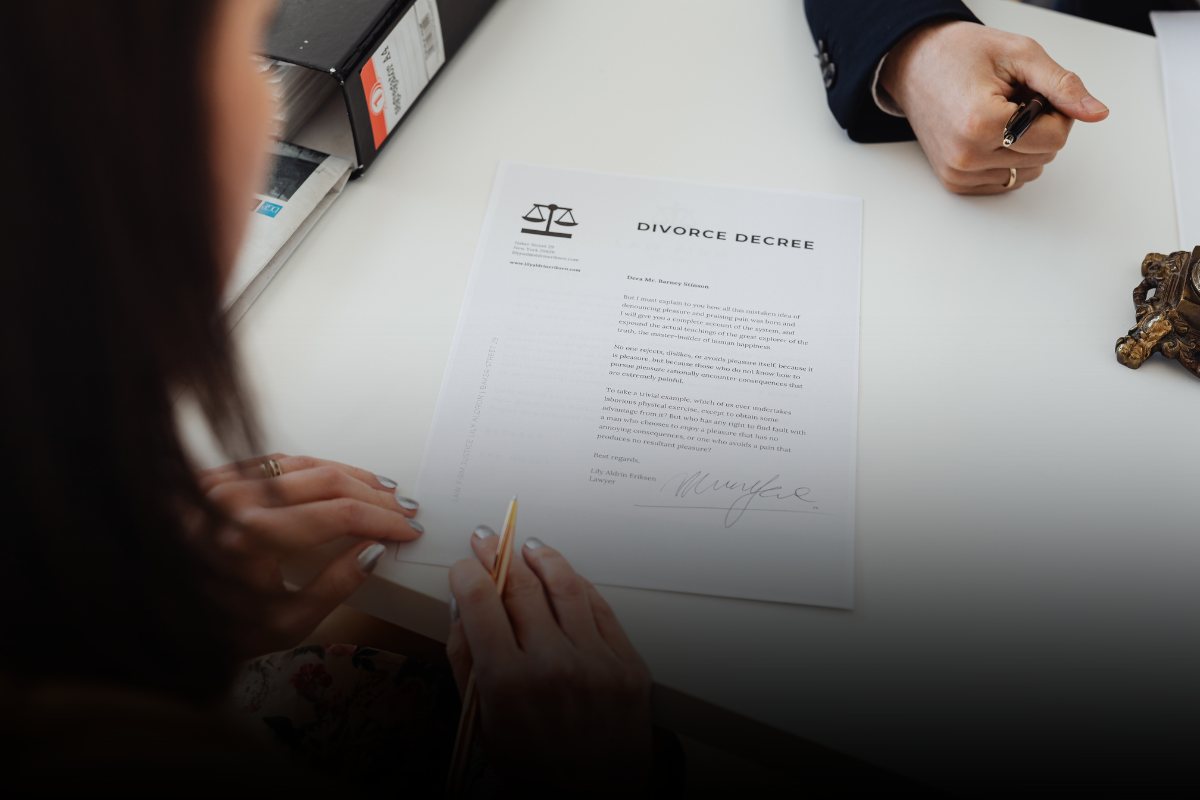
Divorce is never easy. It brings emotional, financial, and legal challenges that can feel overwhelming. In Minnesota, the type of divorce you choose, contested or uncontested, can make a big difference in how smooth or stressful the process becomes.
Understanding the difference between these two types can help you make the best decision for your situation. At Martine Law, our Minnesota divorce lawyers have helped many families navigate both contested and uncontested divorces with compassion and skill.
Whether your divorce involves complex property division or mutual understanding, knowing your options helps you plan your next step confidently.
If you’re unsure which type of divorce fits your situation, call us now to get a clear understanding.
What Is an Uncontested Divorce in Minnesota?
An uncontested divorce happens when both spouses agree on all major issues before filing. This includes:
- Property and debt division
- Child custody and parenting time
- Child support and spousal maintenance
- Any other financial or family-related matters
Because there’s no dispute, this type of divorce is typically faster, less expensive, and less stressful. According to Minnesota Courts, couples can even use simplified forms when they meet specific criteria.
In most cases, uncontested divorces are ideal for couples who can communicate and compromise. You’ll still need to meet Minnesota’s residency and filing requirements under Minnesota Statutes Chapter 518, but you’ll avoid lengthy court hearings.
Primary benefit: You maintain control over the outcome instead of letting a judge decide.
If you and your spouse agree on terms, an experienced family law attorney from Martine Law can ensure your paperwork is accurate and complete. Even small errors can delay the process or cause future conflicts.
You can learn more about the process in our detailed guide on Uncontested Divorce in Minnesota.
What Is a Contested Divorce in Minnesota?
A contested divorce occurs when spouses cannot agree on one or more key issues. These cases often require court hearings, discovery (sharing financial information), and sometimes trial.
Common reasons for a contested divorce include:
- Disagreements over child custody or visitation
- Disputes about property value or division
- Conflicts over spousal maintenance
- Disputes about parenting time or relocation
The process can take several months or longer depending on the complexity of the case and the court’s schedule. During this time, both sides present evidence and arguments, and a judge makes the final decision.
Although contested divorces can be stressful, they are sometimes necessary to protect your rights, especially if your spouse is uncooperative or hiding assets.
Martine Law’s attorneys are skilled in property division and child custody cases. We can help you protect your interests while pursuing fair results.
For a deeper look at the process and what to expect, read our full guide on Contested Divorce in Minnesota.
Comparison: Contested vs. Uncontested Divorce in Minnesota
| Feature | Uncontested Divorce | Contested Divorce |
| Agreement | Both spouses agree on all issues | Spouses disagree on one or more issues |
| Court Hearings | Usually none or minimal | Multiple hearings or trial may be required |
| Cost | Lower, since fewer attorney hours are needed | Higher, due to court and attorney fees |
| Time | Typically 4–6 weeks | Several months or longer |
| Privacy | Mostly private | Public court records and hearings |
| Stress Level | Lower | Higher |
| Best For | Cooperative couples | Couples with major disputes or trust issues |
If you’re unsure which option fits your situation, an attorney can help you evaluate both. Sometimes, starting as a contested case leads to an agreement later, making it partially uncontested.
How Does the Divorce Process Work in Minnesota?
Every divorce starts with filing a Petition for Dissolution of Marriage in your county’s district court. You or your spouse must have lived in Minnesota for at least 180 days before filing.
The basic steps are:
- File the divorce petition and pay the filing fee.
- Serve your spouse with the divorce papers.
- Exchange financial information.
- Negotiate agreements or attend mediation.
- If uncontested, submit your agreement for court approval.
- If contested, proceed to hearings or trial.
You can learn more about court forms and filing at the Minnesota Judicial Branch.
While the court process might sound simple, small legal mistakes can create major setbacks. A trusted divorce lawyer can guide you through the steps, ensure compliance with Minnesota law, and protect your interests throughout.
What Should You Do If You and Your Spouse Cannot Agree?
Disagreement does not always mean a lengthy trial. Many couples in Minnesota resolve conflicts through mediation. Mediation allows you and your spouse to discuss disagreements with a neutral mediator’s help.
It’s often faster, more affordable, and less stressful than going to trial. However, if your spouse refuses to cooperate or there are concerns about abuse, mediation may not be appropriate.
If you’re in a difficult situation, speak with a lawyer at Martine Law. We can explain your legal options and protect your rights during negotiations or court hearings.
Do You Need a Lawyer for an Uncontested Divorce?
You are not legally required to hire a lawyer for an uncontested divorce in Minnesota. But having one can prevent costly errors and ensure your agreement protects your rights and your children’s interests.
Even simple divorces can involve hidden tax or financial issues. At Martine Law, our experienced Minnesota divorce attorneys will review your documents, handle court filings, and ensure your divorce is finalized correctly.
Call us today at (612) 979-1305 or visit our Contact Page to schedule a confidential consultation.
Key Takeaways
- Uncontested divorces are faster, cheaper, and less stressful when both parties agree on key issues.
- Contested divorces take longer and cost more but may be necessary to protect your rights.
- Even in an uncontested case, legal review ensures your agreement is fair and enforceable.
- Minnesota law under Chapter 518 governs divorce and property division.
- Mediation can help resolve disputes before they reach trial.
Understanding your legal rights can save you time, money, and emotional strain. Martine Law’s compassionate team of family law attorneys is ready to help you move forward.
Call Martine Law at (612) 979-1305 to discuss your options and find the right approach for your divorce in Minnesota.