

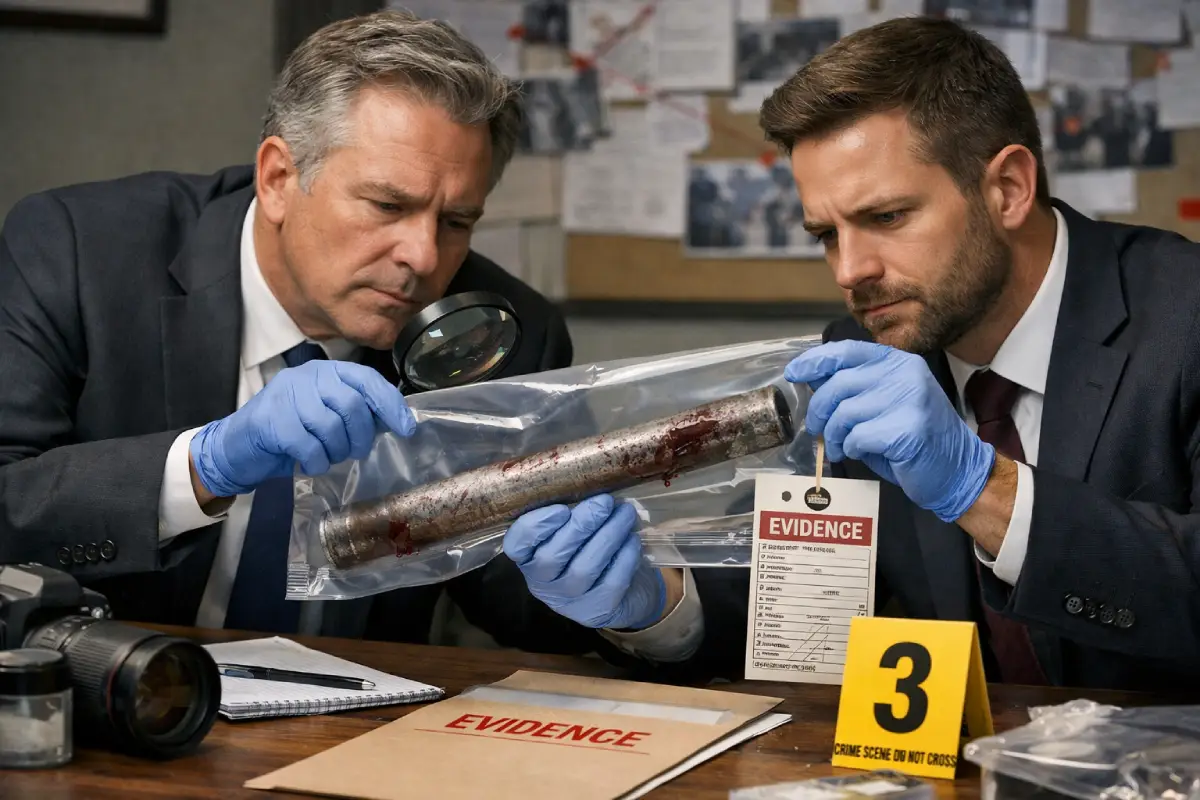
If you are involved in an assault investigation, how police apply assault weapon classification in Minnesota can affect how the case is charged. Objects are evaluated based on how they were used, not just what they are. Even everyday items may be treated as weapons depending on circumstances, injuries, and intent, which can influence the severity of charges.
Police classify alleged weapons by analyzing how an object was used, the harm involved, and the intent behind the action. This process directly affects how assault cases are charged and investigated. Understanding assault weapon classification in Minnesota helps clarify why certain objects may elevate charges even if they are not inherently dangerous.
Martine Law explains how law enforcement evaluates objects, documents evidence, and connects these findings to applicable charges. This approach helps individuals understand how weapon use is interpreted within Minnesota assault investigations.
Understanding How Weapon Classification Affects Assault Cases
During an investigation, police determine how an object is classified by analyzing how it was used in the alleged incident. This is central to assault weapon classification in Minnesota because classification is based on function, not just design.
In Minnesota, objects are not automatically considered weapons. Instead, law enforcement evaluates the context, actions, and outcomes tied to the object. Classification decisions can affect whether an assault is treated as a misdemeanor or felony, as well as how prosecutors interpret the evidence and structure the charges based on the circumstances of the incident.
Key Factors Police Consider When Classifying Weapons
Police rely on multiple factors to determine whether an object qualifies as a weapon in an assault case. These factors help establish how the object contributed to the alleged harm.
Nature and design of the object
The first factor is whether the object is inherently dangerous. Items like firearms or knives are often classified as weapons due to their design.
However, police also consider whether the object has a legitimate everyday purpose. For example, tools or household items may not be weapons by default, but can still be classified as such depending on how they are used.
How object was used during the incident
Police closely examine how the object was used. Even a non-dangerous item may be treated as a weapon if used in a way that could cause harm.
For instance, throwing an object or using it to strike someone may lead to weapon classification. This shows how weapons used in Minnesota assault cases depend heavily on conduct rather than object type alone.
Extent of injury to the alleged victim
Injury severity plays a major role in classification. If the object caused significant harm, police may be more likely to classify it as a weapon.
This includes injuries such as bruising, fractures, or other physical damage. The relationship between the object and the injury helps determine how charges are structured.
After reviewing these factors, some individuals choose to speak with a criminal defense lawyer to better understand how these classifications may apply to their situation.
Know more: What Are the Penalties for Assaulting a Police Officer in Minnesota?
Differences Between Dangerous and Non-Dangerous Objects Legally
Minnesota law distinguishes between inherently dangerous objects and those that become dangerous based on use. This distinction is critical in assault investigations.
Inherently dangerous weapons under Minnesota law
Certain items are considered dangerous by nature. These include:
- Firearms
- Knives with the intent to harm
- Blunt objects designed for impact
These objects are often classified as weapons regardless of context. Courts and investigators typically require less interpretation when these items are involved.
Everyday items classified as weapons when used
Objects not designed as weapons may still be classified as such if used aggressively. Examples include:
- Bottles or glass objects
- Tools such as hammers
- Household items used to strike or threaten
Because classification depends on use, even common items can elevate charges when used in a harmful manner. This means that the same object may be treated differently depending on the specific actions and surrounding circumstances of the incident.
How Police Reports Document Weapon Classification Details
Police reports are critical in documenting how an object is classified during an assault investigation. These reports form the foundation for charging decisions.
Description of object and physical evidence
Officers document the object involved, including size, material, and condition. They may also collect physical evidence, such as photographs or the object itself.
This documentation helps establish whether the object could reasonably cause harm.
Statements and details of the incident reconstruction
Police gather statements from witnesses and involved parties. These accounts help reconstruct how the object was used.
Investigators compare these statements with physical evidence to determine consistency and credibility. This process strengthens how the classification is presented in court.
Role of Intent in Determining Weapon Classification
Intent is a key element in how police classify objects during an assault investigation. It helps determine whether the object was used deliberately to cause harm.
Evidence showing intent to cause harm
Police look for actions or statements that indicate intent. This may include:
- Threats made before or during the incident
- Repeated use of the object
- Targeting specific parts of the body
These indicators help establish whether the object was used with harmful intent. They also provide context that allows investigators to distinguish between accidental conduct and deliberate actions.
How intent affects level of charges filed
Intent can influence whether charges are elevated. For example, deliberate use of an object to cause injury may lead to more serious charges.
This is especially relevant in weapons used in assault cases in Minnesota, where intent and action are closely evaluated together. Investigators and prosecutors assess whether the conduct was purposeful, reckless, or accidental, as this distinction can affect how the case is charged. Clear evidence of intent may support higher-level charges and influence how the case proceeds through the legal system.
Know more: What Are the Charges for Assault in Minnesota?
How Classification Impacts Assault Charge Severity Levels
Weapon classification directly affects how an assault case is charged and prosecuted. It can influence both the level of offense and potential penalties.
Misdemeanor versus felony charge level considerations
If no weapon is involved, the case may be treated as a lower-level offense. However, when an object is classified as a weapon, charges may increase in severity.
This distinction can affect court procedures, penalties, and long-term consequences.
Enhancements based on involvement of a weapon
Weapon involvement can lead to enhanced charges. These enhancements may apply when:
- A dangerous weapon is used
- Significant injury occurs
- The act shows intentional harm
Because of this, classification decisions often play a central role in how cases progress through the legal system. This added scrutiny can influence both the severity of charges and how prosecutors present the case in court.
Final Perspective on Weapon Classification in MN Cases
Understanding Minnesota’s assault weapon classification helps clarify how police evaluate objects during investigations. Classification depends on how an object is used, the injuries involved, and the intent behind the actions. These factors collectively shape how charges are filed and how cases proceed.
Martine Law assists individuals by explaining how these classifications apply to specific cases, how police reports are interpreted, and how legal strategies are developed based on the evidence. For guidance on how weapon classification may affect your situation, you can call (612) 979-1305 or reach out through the Contact Us page to learn more.
Frequently Asked Questions
Can an object be classified as a weapon even if it is not dangerous?
Yes, an object can be classified as a weapon even if it is not inherently dangerous. Police evaluate how the object was used during the incident rather than its original purpose. If it was used in a way that could cause harm, it may fall under assault weapon classification in Minnesota standards, depending on the surrounding circumstances, actions, and resulting injuries.
Does weapon classification affect bail decisions in assault cases?
Yes, weapon classification can affect bail decisions because it influences how serious the charges are considered. Courts often review whether a weapon was involved when assessing risk factors such as public safety and likelihood of reoffending. This evaluation can impact whether bail is granted, denied, or set with specific conditions during the early stages of a case.
Are verbal threats alone considered weapon use in Minnesota?
No, verbal threats alone are generally not considered weapon use under Minnesota law. However, if threats are accompanied by possession of an object or actions that suggest an ability to cause harm, they may contribute to how the situation is evaluated. The full context, including behavior and intent, determines whether the incident escalates legally.
How do prosecutors prove weapon use in assault cases?
Prosecutors prove weapon use by presenting a combination of physical evidence, witness statements, and police reports. They must show how the object was used and how it contributed to harm or risk during the incident. Evidence such as injuries, recovered objects, or video footage can support whether the weapon used to assault met Minnesota standards.