

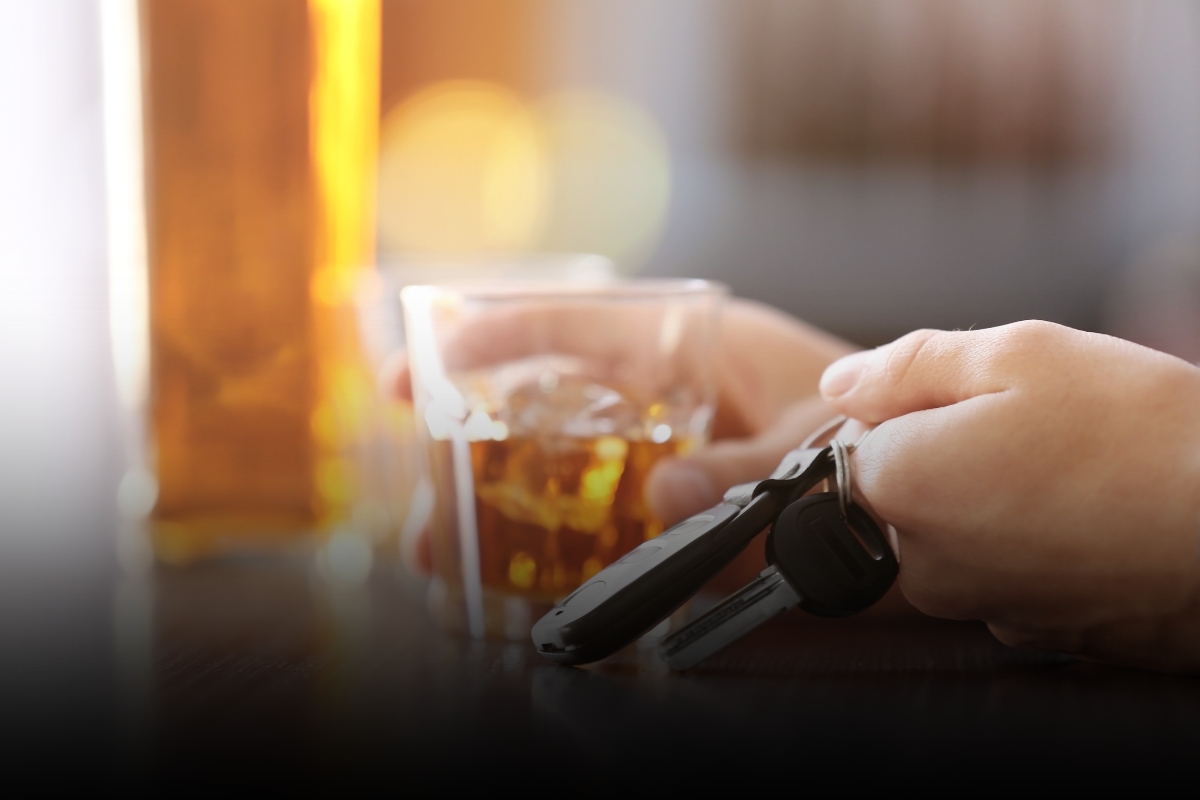
DWI Charges in Minnesota: Why They Matter
A DWI (Driving While Impaired) charge in Minnesota is no minor traffic offense. Even a first-time DWI can result in jail time, thousands of dollars in fines, license suspension, and long-term effects on your employment and insurance rates.
Many people assume there’s no way out once charged, but that’s not always true. If your rights were violated or testing procedures were flawed, you may have grounds to fight the charge.
Types of DWI Charges in Minnesota
In Minnesota, DWI charges vary depending on your blood alcohol concentration (BAC), whether you have prior offenses, and other aggravating factors.
Here are the main types:
- Fourth-Degree DWI: First-time offense with no aggravating factors.
- Third-Degree DWI: First offense with one aggravating factor (such as BAC over .16 or a child in the vehicle).
- Second-Degree DWI: Two aggravating factors or a prior offense within 10 years.
- First-Degree DWI: Felony DWI with three or more priors within 10 years.
Source: Minnesota DWI Statute – 169A
Criminal Penalties for DWI
Here’s what you might face if convicted:
- Jail Time: From 90 days (4th-degree) up to 7 years (felony DWI)
- Fines: Ranging from $1,000 to $14,000 depending on the severity
- Probation: Supervised probation may require random testing, alcohol education, or treatment
- Felony Record: For fourth-time offenders or those with prior felony DWIs
Administrative (License) Penalties
Separate from criminal penalties, you’ll also face administrative sanctions from the Minnesota Department of Public Safety:
- License revocation:
- 90 days to 1 year for first offense
- Longer suspensions for repeat offenders
- Ignition Interlock Device (IID): May be required to regain limited driving privileges
- License plate impoundment
- Vehicle forfeiture in certain cases
Collateral Consequences of a DWI
A DWI conviction can affect more than your legal record:
- Auto Insurance: Significant increase in premiums or policy cancellations
- Employment: Loss of job, especially for those requiring driving or clean records
- Travel: Difficulty entering countries like Canada
- Child Custody Cases: Used as a factor in determining parental fitness
Can You Fight a DWI Charge in Minnesota?
Yes. Many people assume the breath or blood test is the final word, but DWI charges are defendable. The state must prove that the officer had reasonable suspicion to stop you, followed proper procedures, and that the test results were reliable.
Even if you think the evidence is strong, don’t give up hope.
Common Legal Defenses to a DWI
A skilled defense attorney can challenge a DWI case in several ways:
- Unlawful Traffic Stop: If the officer lacked reasonable suspicion
- Improper Testing Procedures: Breathalyzer not calibrated, blood tests mishandled
- Medical Conditions: Conditions like GERD or diabetes can produce false BAC readings
- Lack of Probable Cause: Officer cannot prove impairment beyond reasonable doubt
- Violation of Rights: Improper Miranda warnings or illegal searches
Why You Need a Lawyer for DWI Defense
Fighting a DWI without legal representation is risky. An experienced DWI defense lawyer can:
- Analyze all evidence for errors
- File motions to suppress flawed evidence
- Negotiate reduced charges or penalties
- Represent you at trial or DMV hearings
- Guide you through the ignition interlock or reinstatement process
This page states Minnesota law and is for general information, not legal advice.