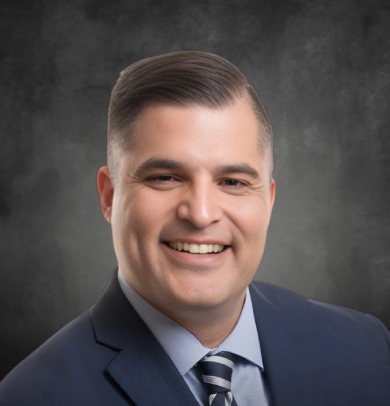


Reviewed by the Marketing Team Last updated
A first DUI arrest does not automatically mean you must hire a private lawyer, but it is a reason to obtain legal advice before entering a plea or letting a license deadline pass. Minnesota calls the offense DWI. An attorney can assess the charge, evidence and consequences; no lawyer can guarantee a dismissal, reduction or particular sentence.
What should I check before deciding about a lawyer?
Start with your complaint or citation, next court date, release conditions and any notice affecting your driving privileges. The criminal case and civil license matter have different procedures. Ask whether the proposed representation covers both.
A case in Minneapolis, St. Paul or a surrounding county should be assessed using its actual documents and evidence. Do not assume that a county offers a particular diversion program or plea agreement simply because this is your first arrest.
What does Minnesota DWI law cover?
Section 169A.20 covers driving, operating or being in physical control of a motor vehicle under specified conditions. These include alcohol impairment and an alcohol concentration of at least 0.08 at the time of driving or as measured within two hours. A reading below 0.08 does not by itself rule out an impairment charge. Drug-related allegations depend on the particular statutory clause and evidence.
Is every first DWI a misdemeanor?
No. Fourth-degree DWI is a misdemeanor, but being a first-time defendant does not establish the degree of every charge. Test refusal, aggravating circumstances and allegations involving injury require separate analysis. Ask an attorney to explain each charged statute rather than relying on a general first-offense chart.
The general misdemeanor maximum is 90 days in jail, a $1,000 fine or both under section 609.03. A maximum is not a prediction of your sentence. Court costs, conditions and other consequences must be considered separately.
What happens to my license?
Read the actual notice. Do not assume that every first DWI produces the same revocation period, ignition interlock requirement or reinstatement steps. An arrest, test result, refusal, conviction and your driving history can raise different issues. Confirm your current driving status before driving.
For a revocation governed by section 169A.53, a court petition for review must be filed within 60 days following receipt of the notice and order, with the required service and filing steps. Filing does not automatically stay the revocation. An administrative review request is a separate process; do not assume that requesting it preserves a court deadline. Have counsel identify the law and deadline that apply to your notice promptly.
What can a defense lawyer review?
- The legal basis for the stop, arrest or physical-control allegation.
- Reports, recordings, witness accounts and test records.
- Testing procedures, the applicable refusal law and potential motions.
- The evidence supporting each charge and the consequences of a proposed plea.
- Hearing preparation, sentencing options and the scope of license representation.
A disputed test or procedural issue does not automatically require dismissal. Its effect depends on the record, applicable law and court ruling. Discuss what a proposed challenge could accomplish and what remains uncertain with a Minneapolis DWI defense attorney.
Can I avoid a conviction through diversion or a stay?
Do not assume eligibility. A reduction, diversion arrangement or stay of adjudication depends on the law, facts and any required agreement. Section 609.095 generally limits a court’s ability to withhold adjudication after a guilty plea or finding unless an exception or agreement applies. Taking a class or completing community service does not by itself guarantee that a charge disappears.
What if I cannot afford private counsel?
Ask the court about applying for a public defender. Section 611.14 provides representation for qualifying criminal defendants who are financially unable to obtain counsel. Ask separately whether any representation includes a civil license proceeding. Before choosing self-representation, discuss the requirements and consequences of waiving counsel with the court.
What should I ask about cost and the first consultation?
- Who will handle my case and what work does the quoted fee cover?
- Are trial, experts, filing fees and license review included or separate?
- Which deadlines need immediate action, and who will handle them?
- What are the strengths, uncertainties and possible consequences of each option?
Bring your citation or complaint, release conditions, license notice, test paperwork and next hearing date. Note when you received each notice. Keep the original documents and follow existing court orders while seeking advice.
Your first conversation may be with a Director of Client Engagement (non-attorney), who helps with intake and scheduling but does not provide legal advice. Tell intake staff about approaching deadlines so an attorney can review the legal questions. Contact Martine Law to request a consultation and confirm the scope and terms of any proposed representation.
This page states Minnesota law and is for general information, not legal advice.
For an overview of the law and how we help, see our Minnesota DWI defense page.