

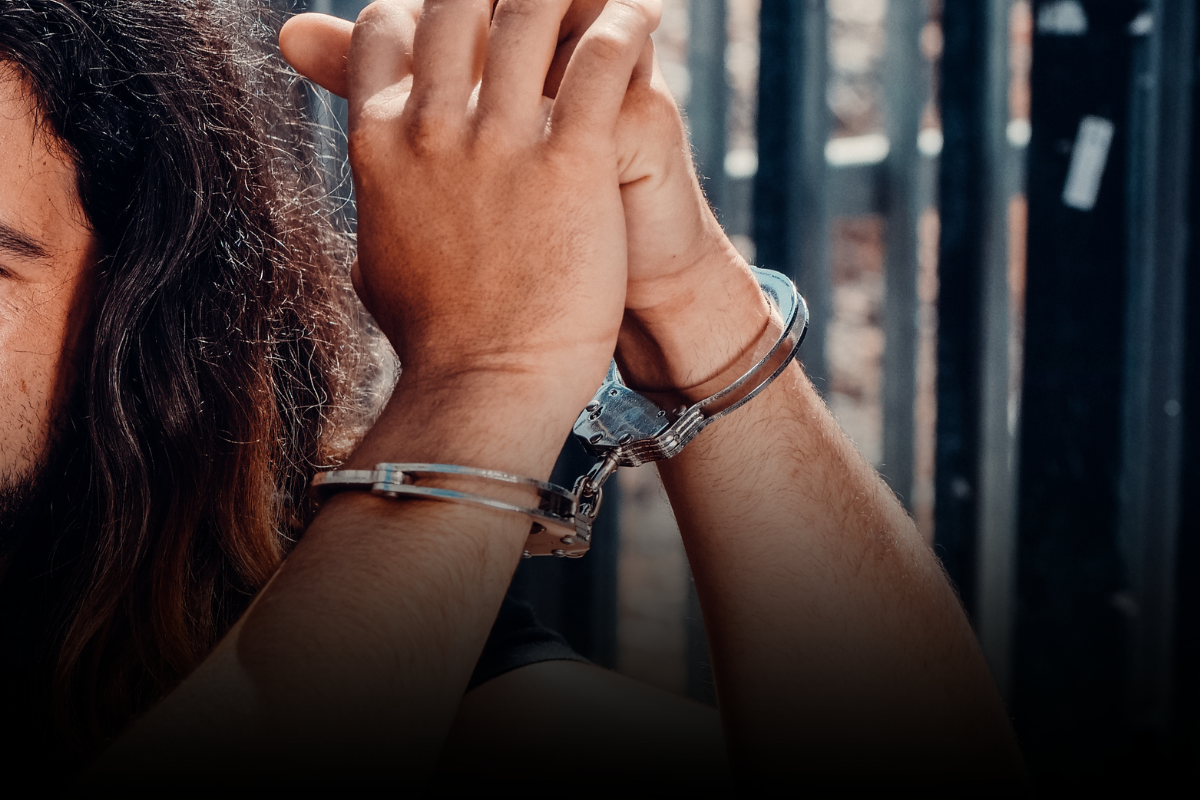
Being charged in a Minnesota assault case is serious. It can impact your freedom, your job, and your reputation. Whether it’s a misunderstanding or a moment of anger, facing an assault charge can be emotionally overwhelming. Many people wonder if showing remorse or saying sorry can make a difference in the outcome.
The truth is, expressing remorse can sometimes help, but only when handled the right way. Minnesota judges may consider your behavior and attitude when deciding a sentence. However, saying sorry at the wrong time or in the wrong way can also hurt your case.
Understanding how remorse works in sentencing and how to express it safely is key. At Martine Law, our experienced defense attorneys can help you navigate every step of the process and protect your rights.
Understanding Assault Charges in Minnesota
Under Minnesota Statutes Chapter 609, assault involves intentionally causing fear of harm or actual physical injury to another person. There are different degrees of assault, each with varying penalties:
- First-degree assault: Serious bodily harm, up to 20 years in prison.
- Second-degree assault: Involves a dangerous weapon, up to 10 years in prison.
- Third-degree assault: Substantial bodily harm, up to 5 years in prison.
- Fourth-degree assault: Assault against public workers or bias-motivated assault, up to 3 years.
- Fifth-degree assault: Misdemeanor or gross misdemeanor, up to 1 year in jail.
Judges look at many factors when sentencing, including your intent, prior criminal record, and actions after the incident. One of those factors may include remorse, how genuinely you accept responsibility for your actions.
For help understanding your specific charge, talk to a Minneapolis assault lawyer who knows how local courts approach sentencing.
The Role of Remorse in Sentencing
In Minnesota, remorse can influence sentencing, but it’s not a guarantee of a reduced penalty. Judges often consider remorse as part of your character evaluation. It helps them assess whether the offense was a one-time mistake or part of a pattern.
However, showing remorse does not mean you should admit guilt before speaking with a lawyer. There’s a difference between feeling sorry for what happened and accepting legal responsibility.
Courts may see remorse as genuine if it’s backed by your actions, such as seeking counseling, participating in community service, or cooperating during the investigation. According to the Minnesota Judicial Branch, judges weigh all aspects of a case, including behavior and attitude, before imposing a sentence.
When Saying Sorry Might Help
In some assault cases, genuine remorse has helped reduce sentences. Judges can recommend probation instead of jail time if they believe you’ve learned from your mistake. Apologies can also play a role during plea negotiations or victim impact hearings.
Examples where saying sorry may help include:
- Writing a sincere apology to the victim (after consulting your lawyer).
- Showing you’ve taken anger management or rehabilitation programs.
- Demonstrating responsibility by following court orders promptly.
Remorse may also influence the prosecutor’s recommendations, leading to a lighter plea deal. Still, every case is unique, and outcomes depend on the evidence, your lawyer’s defense strategy, and the judge’s discretion.
When Saying Sorry Can Backfire
An apology made too early or without legal advice can hurt your case. Saying sorry directly to the alleged victim or the police might be interpreted as an admission of guilt. This can be used against you in court, especially before charges are formally filed.
In Minnesota, statements made during police interviews or investigations can become evidence. Learn more about your rights during questioning by reviewing the Minnesota courts site.
Here are moments when an apology can do more harm than good:
- Before speaking with your criminal defense lawyer.
- During police questioning without legal counsel.
- On social media or in text messages.
It’s natural to feel regret or want to make peace, but your defense attorney can help you express remorse safely, without damaging your legal position.
Legal Steps to Take Before You Apologize
If you want to apologize or show remorse, the first step is to consult your defense lawyer. Your attorney can guide you on when and how to express remorse in a way that strengthens your defense rather than weakens it.
An experienced Minnesota criminal defense attorney can:
- Help prepare a formal statement showing remorse appropriately.
- Ensure any apology or statement does not amount to an admission of guilt.
- Present your character and rehabilitation efforts positively before the court.
In some cases, your lawyer may suggest delaying an apology until sentencing or negotiating terms where your remorse becomes part of your mitigation plan.
Do You Need a Lawyer for an Assault Case in Minnesota?
While you have the right to represent yourself, assault cases are complex. Prosecutors are aggressive, and even a small statement can be misunderstood. A local defense attorney understands how Minnesota courts handle assault charges and what strategies can lead to reduced penalties.
Working with a firm like Martine Law means having a dedicated legal team who:
- Understands local judges and sentencing patterns.
- Protects your rights during every stage of the case.
- Guides you with honesty, compassion, and experience.
If you or someone you love is facing an assault charge, don’t face it alone. Call Martine Law today at tel:+1(612)979-1305 for a confidential consultation. Acting early can make a real difference in your outcome.
Key Takeaways
- Remorse can influence sentencing, but only when expressed properly.
- Apologies should be guided by your lawyer to avoid self-incrimination.
- Judges in Minnesota value honesty, accountability, and genuine effort to reform.
- An early apology to police or the victim can be used as evidence.
- A defense attorney can help present your remorse safely and strategically.
Saying sorry may help, but only when done with the right legal guidance. Every word matters in a Minnesota assault case, and a skilled lawyer ensures your voice is heard the right way.
If you are charged or under investigation, contact the trusted attorneys at Martine Law. Our team is here 24/7 to guide you through this difficult time and fight for your future.
Call us today at tel:+1(612)979-1305 to speak with a lawyer who truly understands Minnesota law.