

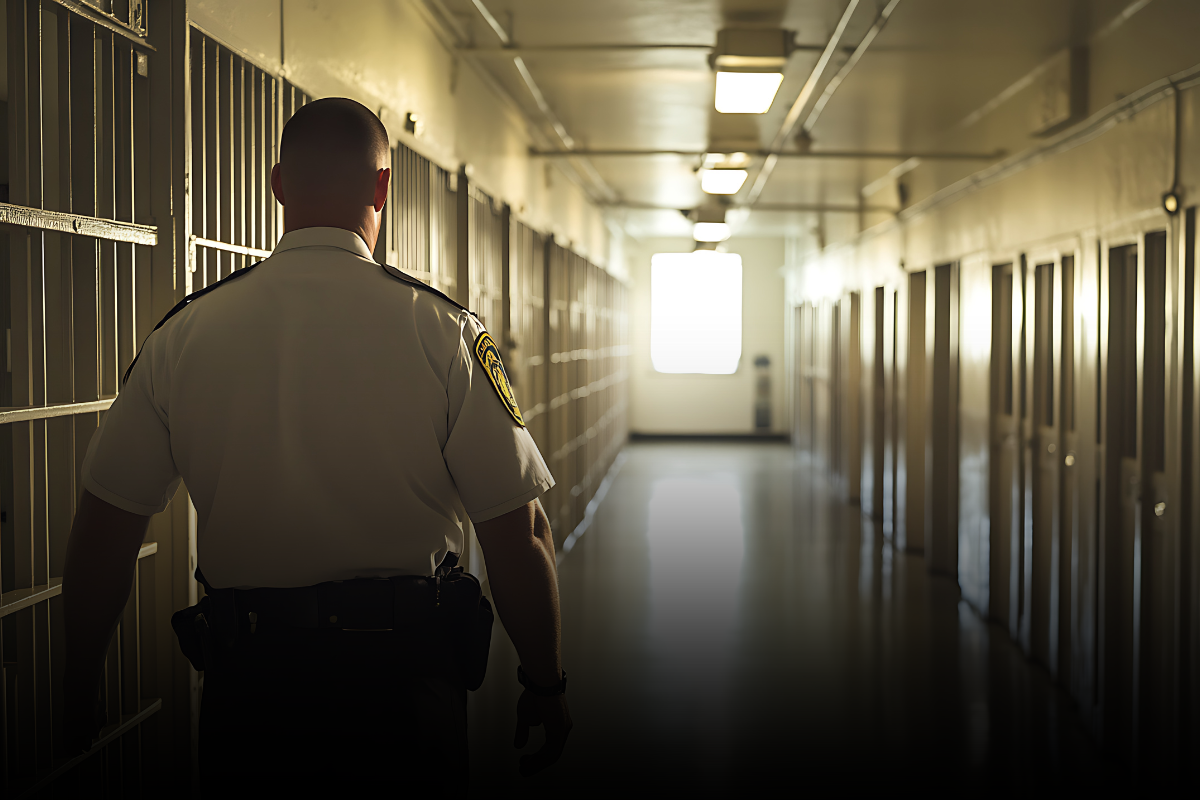
People often wonder if regret or rehabilitation can shorten a sentence in Minnesota. The answer is sometimes yes, but the path is not simple. Minnesota allows several forms of Post Conviction Relief, but each option requires proof, legal steps, and strong advocacy. Many people feel frustrated with a sentence that feels too harsh or no longer fair. You might feel different today than when the court sentenced you. You may have completed treatment, counseling, or education programs. You may want a second chance.
Minnesota courts recognize personal change, but they also follow strict laws. You need to understand what judges look for and what evidence can help your request. You also need a lawyer who knows Minnesota courts and how these motions work. Martine Law provides guidance, skill, and support from local attorneys who know the rules and the system. We are here to help you protect your future and move forward.
If you have questions about your options, you can contact us for help with your next steps.
What Is Post Conviction Relief in Minnesota?
Post Conviction Relief is a legal process that lets you challenge a conviction or sentence after the court enters judgment. Minnesota law gives you this right under Minn. Stat. 590, which you can read on the Minnesota Revisor of Statutes. These requests address errors that happened during sentencing, violations of your rights, or new evidence that could change the outcome.
Post Conviction Relief also allows you to present proof of rehabilitation or major personal change. Courts want reliable evidence, not only statements of regret. That means you need records, certificates, treatment completion documents, or testimony that supports your request.
How Does Post Conviction Relief Work in Minnesota?
You must file a petition in the same district court where the conviction happened. The judge reviews the claim first. In some cases, the court schedules a hearing. You need clear legal grounds. Claims without proof often fail.
Minnesota courts also follow strict deadlines. In many cases, you must file within two years. There are exceptions for new evidence or constitutional concerns. The Minnesota Judicial Branch explains court procedures, which can help you understand timelines.
Your petition may include:
- Errors in sentencing.
- Ineffective assistance of counsel.
- New evidence that changes the case.
- Violation of your constitutional rights.
- Proof of rehabilitation.
- Evidence that the sentence is unjust based on new information.
A strong petition connects your evidence to Minnesota law. A local defense attorney can help you understand what applies to your case. Martine Law represents clients across Minneapolis and nearby counties. You can learn more about our criminal defense work on our Minneapolis criminal defense attorney page.
Can Regret or Rehabilitation Shorten Your Sentence?
Minnesota courts do not shorten a sentence only because you feel regret. Judges focus on facts, documents, and steps that show lasting change. Rehabilitation can matter when it proves you are not a danger to the community. You need to show that your progress is real, consistent, and supported by counseling or treatment professionals.
Courts may consider:
- Counseling and treatment records.
- Certificates from chemical dependency programs.
- Anger management or domestic violence programs.
- Education or vocational training.
- Community involvement.
- Work history.
- Support letters from professionals.
In some situations, rehabilitation can support a request for a reduced sentence. It can help in cases involving DWI, drug charges, or domestic violence, depending on the details. If your case connects to alcohol or controlled substances, you can review related Minnesota laws.
Many clients ask if rehabilitation alone is enough. It depends on the judge, the crime, the amount of time served, and your full history. A lawyer can help build a petition that meets the legal standards and presents your progress clearly.
What Should You Do If You Want a Reduced Sentence?
You should collect evidence first. You need documents that show your progress. Courts want facts, not promises. You should list all programs you completed. You should request records from treatment centers or probation. You should gather certificates and letters from counselors.
Next, you should speak with a lawyer who handles Post Conviction Relief in Minnesota. The legal process is complex and time sensitive. Martine Law provides experienced support in criminal cases, including felonies and misdemeanors.
This guidance can help you understand what the court expects and what evidence is most persuasive.
Common Outcomes in Post Conviction Relief Cases
Results depend on your case. Minnesota judges may:
- Reduce your sentence.
- Modify probation terms.
- Allow early release in rare cases.
- Order a new hearing.
- Order a new trial.
- Deny the petition.
Each outcome depends on proof. Courts balance rehabilitation with the seriousness of the offense. They also review public safety and your criminal history.
Do You Need a Lawyer for Post Conviction Relief in Minnesota?
You do not have to hire a lawyer, but it is highly recommended. Post Conviction Relief is complex. Small errors can cause a denial. You need someone who understands Minnesota law and knows how to prepare the required documents. You also need someone who can present your rehabilitation in the strongest way. The system can feel cold and unforgiving. A lawyer helps you stand in a better position in front of the court.
Martine Law has local attorneys who understand Minnesota courts and sentencing laws. Our team supports clients with guidance and respect at every step.
Key Takeaways
- Regret alone does not shorten a sentence.
- Rehabilitation can support sentence reductions when backed by strong evidence.
- Minnesota law allows several forms of Post Conviction Relief.
- You must follow strict deadlines and legal procedures.
- A lawyer can help build a clear and effective petition.
Post Conviction Relief gives you a chance to show your progress. Courts recognize change when you present it the right way. You deserve a fair chance to share your story and prove how far you have come. If you want guidance, our team can review your case and explain every option you have.
For help with Post Conviction Relief, call +1(612) 979-1305 or contact us now for a free confidential call.