


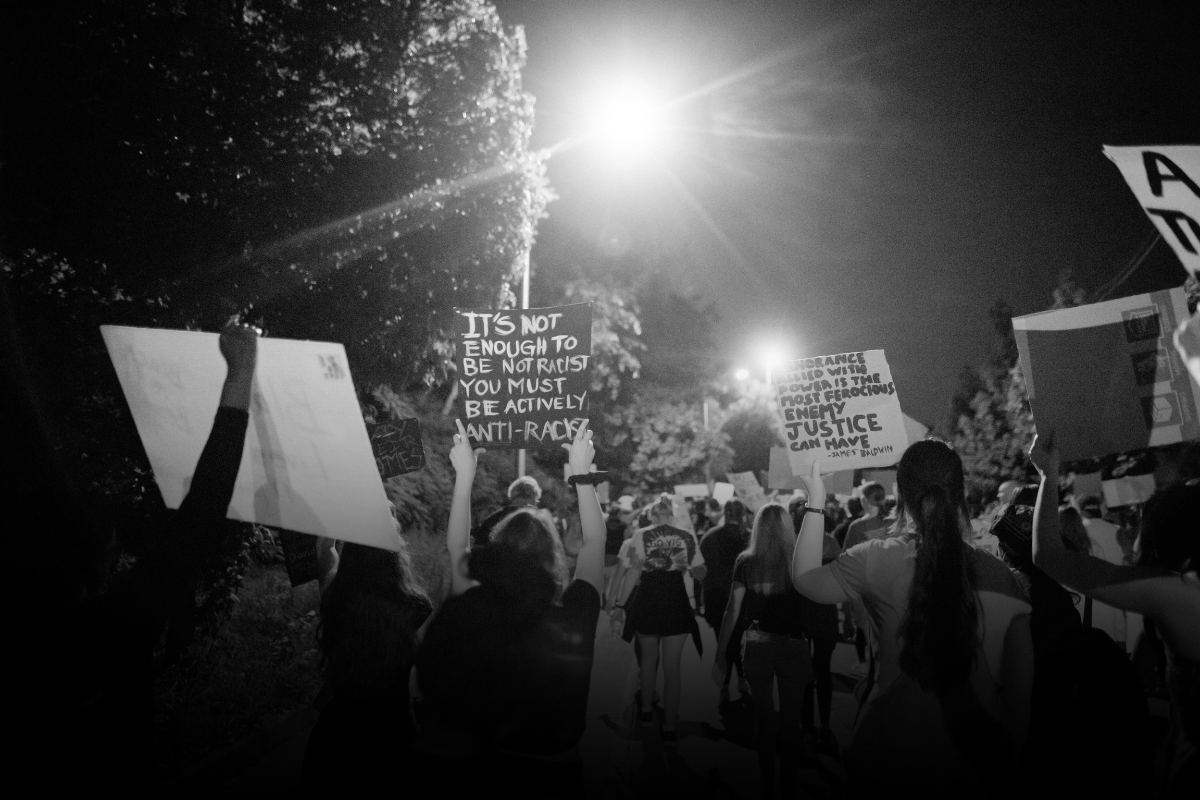
Peaceful protest is a protected right under the First Amendment. But when emotions rise, and gatherings grow large, a lawful protest can quickly turn into what Minnesota law calls disorderly conduct or unlawful assembly.
If you were arrested during a protest, is normal to wonder if you really committed a crime? Understanding the line between protected speech and criminal behavior can make a big difference in your case.
At Martine Law, our criminal defense attorneys help Minnesotans protect their rights when peaceful expression is mistaken for disorderly behavior. You are not alone in this process, and knowing what the law says is the first step toward protecting yourself.
What Is Protest Activity Under Minnesota Law?
Protests are legal expressions of speech, assembly, and belief. Under the First Amendment, you have the right to gather, demonstrate, and share your message peacefully.
However, Minnesota law limits where and how protests can occur. Cities often require permits for marches or rallies, especially when they involve public streets or government spaces.
Protesters must also follow lawful orders from police officers during events. When those limits are crossed, like blocking roads, refusing to disperse, or engaging in loud, threatening behavior, police may issue charges under Minnesota Statutes Chapter 609 for disorderly conduct or unlawful assembly.
How Does Disorderly Conduct Apply to Protests?
Under Minn. Stat. § 609.72, a person commits disorderly conduct when they intentionally engage in:
- Fighting or violent behavior
- Disturbing lawful assemblies or meetings
- Offensive, obscene, or noisy conduct that alarms or provokes others
These behaviors become criminal when they disrupt peace or public safety. For example, shouting threats, vandalizing property, or refusing lawful orders during a protest can lead to arrest.
Disorderly conduct is usually a misdemeanor, but penalties can increase if violence or weapons are involved. A conviction may result in:
- Up to 90 days in jail
- A fine of up to $1,000
- A criminal record that affects jobs and travel
If you or a loved one face these charges, it’s essential to speak with an experienced Minneapolis misdemeanor lawyer. A strong defense can challenge the intent, context, and evidence behind the accusation.
What Is an Unlawful Assembly in Minnesota?
Unlawful assembly charges often occur during large-scale demonstrations. According to Minn. Stat. § 609.705, an assembly becomes unlawful when three or more people gather with the intent to:
- Commit an unlawful act, or
- Conduct themselves in a violent, boisterous, or threatening manner
Even if you did not participate in violence, being present when others do can still lead to charges. Police may order the crowd to disperse. Refusing to leave after such an order can escalate the offense or lead to riot charges under Minn. Stat. § 609.71.
These cases are complex because intent is often unclear. Many people simply attend a protest peacefully but get caught in the wrong place at the wrong time.
If this happens to you, an experienced Minnesota criminal defense attorney can help you gather witness statements, videos, and other evidence to prove you were not involved in any illegal acts.
What Should You Do If You’re Charged After a Protest?
If police arrest or question you after a protest, stay calm and protect your rights.
Here are key steps to follow:
- Stay silent until you speak with a lawyer.
- Do not resist arrest, even if you believe it’s unfair.
- Call a defense attorney immediately.
- Collect witness names and footage if possible.
- Avoid posting about the event on social media.
The legal process can feel overwhelming, but a skilled lawyer can help you challenge the evidence, question police procedures, and negotiate reduced penalties.
If you’re facing charges, contact Martine Law or call +1 (612) 979-1305 to discuss your situation confidentially. Our team is available 24/7 to help.
How Prosecutors Build These Cases
Prosecutors often rely on police reports, surveillance footage, and social media posts to prove disorderly or unlawful conduct.
They may try to show that:
- You ignored police orders to leave.
- You acted violently or encouraged others to.
- You were part of a group intending to disrupt peace.
However, video evidence can also clear your name. Many protest-related charges are dropped when lawyers demonstrate that the accused did not act with criminal intent or was misidentified.
Our legal team at Martine Law carefully reviews body cam footage, eyewitness accounts, and digital records to find inconsistencies in the prosecution’s case.
Possible Defenses to Protest-Related Charges
A good defense depends on the facts, but some common legal defenses include:
- Lack of intent: You did not intend to disturb peace or cause harm.
- Lawful exercise of rights: You were exercising your constitutional rights peacefully.
- Mistaken identity: You were wrongly accused or confused with others.
- Unlawful police order: Officers may have issued dispersal orders without proper cause.
Each situation is unique, which is why it’s critical to speak with a knowledgeable defense lawyer familiar with Minnesota laws and courts.
Why Hiring a Local Attorney Matters
Minnesota protest cases often involve complex constitutional issues. Local attorneys understand how state judges interpret free speech and public order laws.
At Martine Law, our team includes attorneys deeply familiar with Minnesota’s legal system and community. We’ve defended individuals in Minneapolis and across the state against charges of protest-related disorderly conduct, trespassing, and resisting arrest.
We offer straightforward advice, honest evaluations, and local experience that can make a difference in your case.
If you’ve been charged or investigated after a protest, contact us through our contact page or call +1 (612) 979-1305.
Key Takeaways
- Peaceful protest is legal, but violence or disobedience can lead to disorderly conduct or unlawful assembly charges under Minnesota law.
- Disorderly conduct involves fighting, disturbing meetings, or alarming behavior.
- Unlawful assembly occurs when three or more people act violently or threaten public order.
- Penalties can include jail time, fines, and a permanent criminal record.
- There are strong defenses available, especially if you were peacefully exercising your rights.
Facing charges after a protest does not mean you are guilty. With the right legal guidance, you can protect your rights and clear your name.
Reach out to Martine Law today or call +1 (612) 979-1305 for a confidential consultation. Our attorneys are ready to help you move forward with confidence and dignity.