


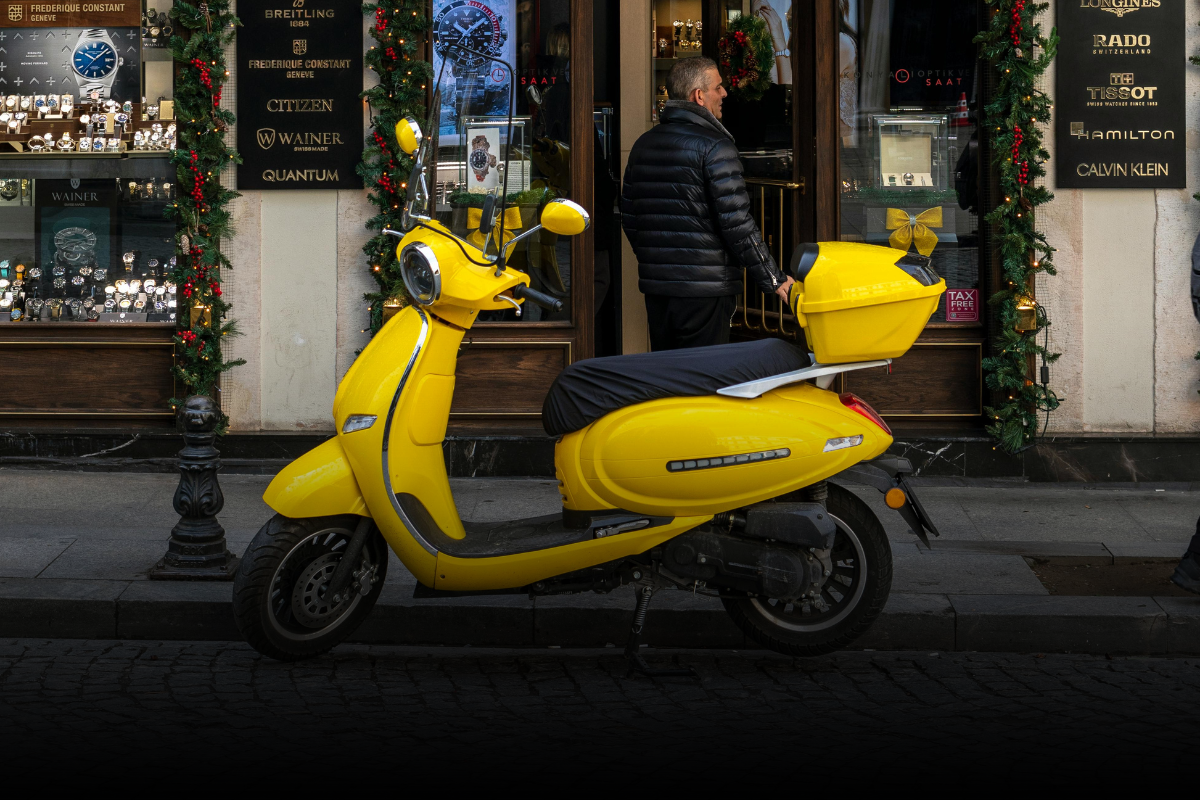
Electric scooters and e-bikes are everywhere in Minnesota cities — from downtown Minneapolis to college campuses. They’re fun, convenient, and easy to rent. But if you’ve been stopped by police while riding one after drinking, you might be shocked to learn you were charged with DWI (Driving While Impaired).
So, does riding a scooter or e-bike really count as operating a “vehicle” under Minnesota’s DWI laws? The answer is yes, it can.
Don’t let a mistake ruin your future, your work, and your life. Contact a DWI lawyer in Minnesota today.
Minnesota’s DWI law applies to “any motor vehicle”
Under Minnesota Statutes § 169A.20, it is a crime to operate, drive, or be in physical control of any motor vehicle while:
- Your blood alcohol concentration (BAC) is 0.08% or higher, or
- You are under the influence of alcohol, drugs, or a combination of both.
The law applies not just to cars and trucks — but to any motorized mode of transportation that can move on a road, path, or public area.
What counts as a “motor vehicle” in Minnesota
Minnesota law defines “motor vehicle” broadly under Minn. Stat. § 169A.03, subd. 15, as:
“Every self-propelled vehicle that is designed for use on a highway or public road.”
That means scooters, mopeds, and certain e-bikes can fall under the same DWI laws as cars — depending on how they’re powered and where you ride them.
Motorized scooters
If your scooter has an electric or gas motor and can travel more than 15 mph, it’s generally considered a motor vehicle under Minnesota law.
- Example: Lime, Bird, or similar rental scooters — or privately owned e-scooters capable of roadway travel — qualify.
Mopeds and e-bikes
Motorized bicycles and mopeds are also covered, even if their top speed is lower.
- If your e-bike or moped can move under its own power and you’re riding on a public street or path, you can be charged with DWI.
Non-motorized bicycles
Traditional pedal bikes are not motor vehicles.
However, if you cause an accident or ride unsafely while intoxicated, you could face other charges like public intoxication or reckless conduct — just not DWI.
Yes, you can get a DWI on a scooter in Minnesota
Minnesota law makes no exception for electric scooters or e-bikes. If the scooter is motorized and used in public, it’s treated the same as a car for DWI purposes.
That means police can:
- Stop and test your blood alcohol concentration (BAC).
- Arrest you for DWI if you’re impaired.
- Impound your scooter or issue criminal charges.
Even though scooters feel less serious than cars, Minnesota’s DWI laws don’t distinguish between vehicle sizes or types.
Penalties for a scooter DWI in Minnesota
If you’re convicted of DWI while operating a scooter, the penalties mirror those for a standard DWI in a car.
| Offense | Charge Level | Possible Penalties |
| First DWI offense (BAC under 0.16) | Misdemeanor | Up to 90 days in jail, $1,000 fine, and 90-day license revocation |
| BAC ≥ 0.16 or refusal | Gross misdemeanor | Up to 1 year in jail, $3,000 fine, and 1-year license revocation |
| Second or third offense | Gross misdemeanor or felony | Longer jail time, license cancellation, and mandatory ignition interlock |
| Fourth or more offenses within 10 years | Felony | Up to 7 years in prison and a $14,000 fine |
Even on a scooter, a DWI conviction will:
- Go on your criminal record,
- Affect your driver’s license, and
- Raise your insurance rates.
License and vehicle consequences
License suspension still applies
Even though you weren’t driving a car, a DWI on a scooter will still lead to a driver’s license revocation through Minnesota’s implied consent law.
Ignition interlock may be required
To regain your driving privileges, you may have to enroll in the ignition interlock program — even though your offense didn’t involve a car.
Vehicle forfeiture possible in repeat cases
If you have prior DWIs, prosecutors can move to forfeit (take ownership of) your motor vehicle — though scooters are rarely seized.
For details about penalties and your rights, visit Martine Law’s DWI defense page.
Common defenses to scooter DWI charges
Even if you were charged, you still have defenses. A Minnesota DWI attorney can challenge:
1. Whether the scooter qualifies as a “motor vehicle.”
If the scooter wasn’t self-propelled, or if it was used on private property, the DWI statute might not apply.
2. Probable cause for the stop.
Police must have a legitimate reason to stop you — such as traffic violations or unsafe operation.
3. Accuracy of BAC testing.
If the breath test was improperly administered or calibrated, your attorney can seek to suppress the results.
4. Procedural violations.
If police failed to read the implied consent advisory or violated your right to counsel before testing, your charges could be reduced or dismissed.
For more information on DWI defenses, see Martine Law’s criminal defense page.
Key takeaways
- In Minnesota, a DWI doesn’t just apply to cars — it includes motorized scooters, mopeds, and e-bikes.
- If your scooter is powered by an electric or gas motor and you’re on a public road, you can be charged.
- Penalties for scooter DWIs are the same as car DWIs, including fines, jail time, and license suspension.
- A skilled DWI defense lawyer can challenge whether your scooter qualifies as a motor vehicle or whether the stop was lawful.
- Even though it seems minor, a scooter DWI can impact your record, insurance, and driving privileges.
If you were charged with a DWI while riding a scooter or e-bike in Minnesota, don’t assume it’s a minor issue. Martine Law can help you understand your rights, challenge the evidence, and fight for the best outcome.
Our attorneys handle all types of DWI cases — including those involving motorized scooters — and can guide you through both the criminal and driver’s license processes.
Contact Martine Law today for a confidential consultation.
Disclaimer: This content is for informational and educational purposes only and does not constitute legal advice. For legal guidance specific to your situation, please contact Martine Law.